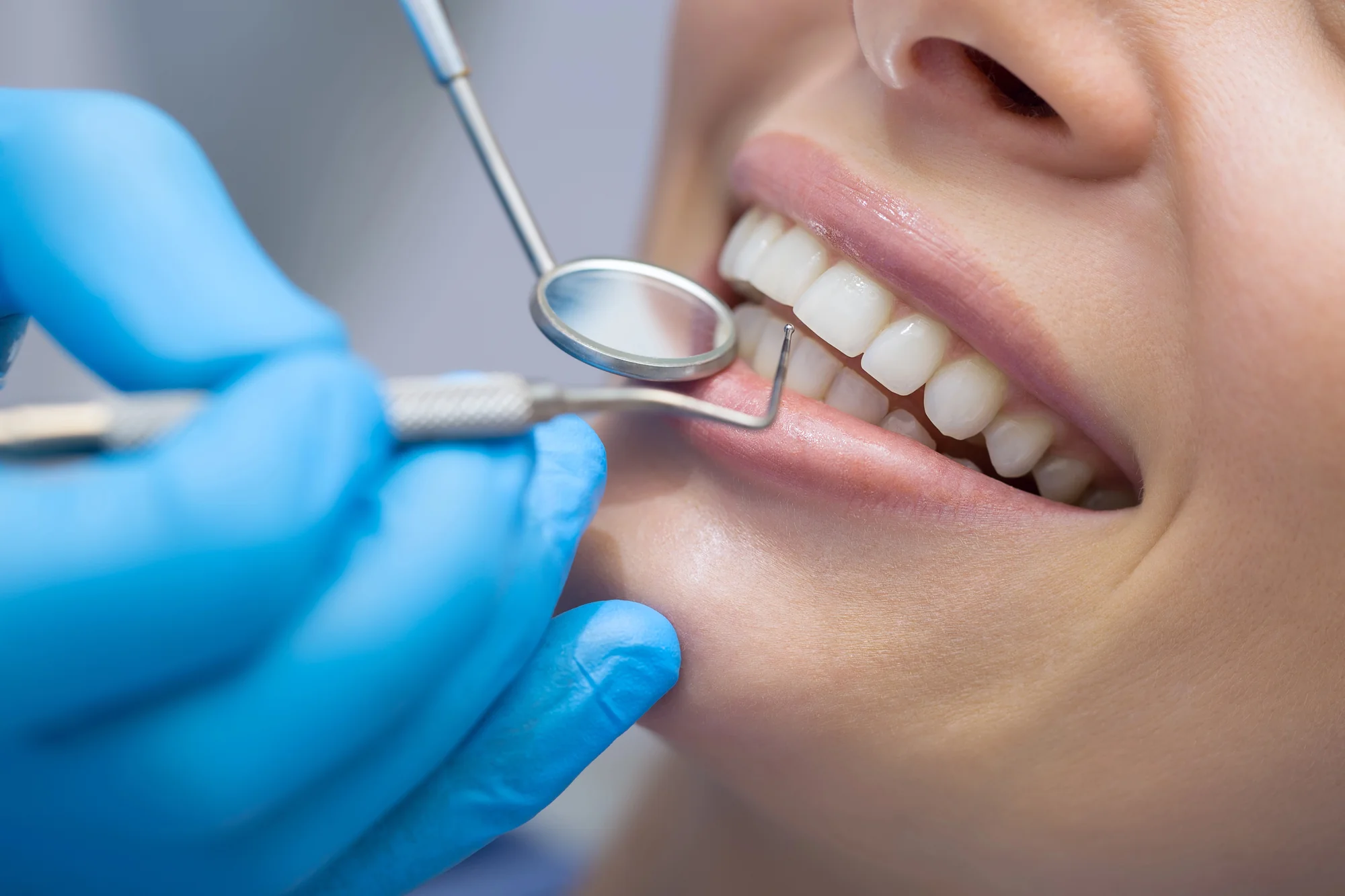
Knowing the difference between a routine dental visit and a true dental emergency is essential for protecting your long-term oral health. Severe pain, uncontrolled bleeding, or traumatic injuries often require immediate professional care.
A dental emergency is any condition requiring prompt professional treatment to relieve severe pain, control bleeding, prevent the spread of infection, or preserve a tooth or surrounding tissues. It is important to recognize emergencies, for example, a knocked-out tooth, a painful dental abscess, a severely fractured tooth, or a suspected jaw fracture, so that you can seek appropriate emergency treatment.
The information below lists specific clinical indications that require an urgent dental consultation, so you can be ready to take immediate action to protect the integrity and overall health of your smile.
Knocked-Out or Displaced Teeth
A knocked-out (avulsed) permanent tooth is one of the most serious dental emergencies. If the entire tooth has been pulled out from the socket, immediate replantation offers the best chance of success. Ideally, the tooth should be replanted within 30 minutes. However, ligament (PDL) cells on the root surface remain viable for only a limited time outside the mouth, which is necessary for reattachment. The prognosis is greatly improved if action is taken immediately.
If you or someone you know is avulsed, follow these steps for a successful replant:
- Do not touch the surface of the root. Root cells are delicate and important for reattachment. Contact with these cells can cause permanent damage.
- If dirty, gently rinse the tooth with saline or clean running water for no more than 10 seconds. Do not scrub the root. Avoid scrubbing, soap, or a toothbrush. These will destroy the root’s surface.
- Attempt to gently replant the tooth into its socket, ensuring it is oriented correctly. Once repositioned, gently bite on clean gauze to help hold the tooth in place while traveling to the dentist.
- If the tooth is not to be replaced, keep the tooth moist immediately. If replantation is impossible, store the tooth in Hank’s Balanced Salt Solution (if available), cold milk, saline, or inside the cheek (only if the patient is old enough not to swallow it). Never let the tooth dry out.
A minor dental displacement occurs when a tooth is shifted out of its proper alignment. The tooth may be:
- Pushed deeper into the gums (intrusion)
- Elongated out of the gums (extrusion)
- Moved sideways (lateral displacement)
A dentist must immediately reposition and stabilize these. Delaying treatment increases the risk of nerve damage, root resorption, and long-term complications.
Never try to force a knocked-out baby tooth back into the socket, but replant permanent teeth ASAP. The risk of damaging the developing permanent tooth bud below the gums is high if the primary tooth is moved. If a primary tooth has been injured, apply pressure to the affected area to slow bleeding, and contact the pediatric dentist right away for an emergency exam to evaluate for injuries to the jaw or the developing permanent tooth.
Facial Swelling and Dental Abscesses
A dental abscess is a pocket of pus caused by a bacterial infection that can spread rapidly if left untreated. These infections may begin in the tooth pulp or surrounding gum tissue and are extremely unpredictable. The bacteria can penetrate the local site and, if left untreated, spread rapidly into the jaw, neck, or systemic circulation, potentially leading to serious complications, such as Ludwig’s angina.
Once an infection does penetrate beyond the tooth, it becomes a medical emergency. If you have any of the following systemic warning signs, seek immediate medical attention at your local hospital’s emergency department:
- Airway compromise — When it is hard to breathe or swallow
- Rapid facial swelling — Edema can be seen in the eyelids and/or down the neck
- Systemic — High fever, chills, confusion, or rapid heartbeat may indicate the infection is spreading
Early abscess detection can help avoid these serious problems. Be alert for the following signs of trouble:
- The gum boil (fistula) — This is a small, pimply-looking growth on the gum. Actually, it is a pus drain. If you see one, then the infection is in action and needs to be professionally drained
- Foul discharge — A bad breath or metallic or bitter taste in the mouth will indicate that the abscess is leaking.
- Localized throbbing — Intensely radiating pain that may increase with changes in temperature or at rest.
When dealing with a suspected abscess, your primary goal is containment and professional intervention.
Do not attempt to drain, pop, or squeeze an abscess or gum boil. This can allow bacteria to penetrate deeper into your tissues or new bacteria to enter your bloodstream. Rinse gently with warm salt water to help keep the area clean while seeking emergency dental care. This facilitates cleaning of the area and some discharge without hurting the tissue.
Contact your dentist immediately. If they are unable to see you within a few hours, or if you present with the symptoms listed above, go directly to the ER. Treatment usually involves draining the infection and eliminating its source. Immediate treatment, often involving surgical drainage and antibiotics, is mandatory to arrest the spread of the infection.
Severe Toothaches and Nerve Damage
If tooth pain is sudden, severe, and persistent, it may indicate irreversible pulpitis, a condition in which the tooth’s pulp is severely inflamed. This means that the dental pulp (which contains nerves and blood vessels) is severely inflamed. This inflammation occurs because the pulp is enclosed within a rigid tooth structure. Pressure builds quickly as inflammation worsens, and it cannot be relieved. This increased pressure compresses the nerves inside the tooth, causing intense, throbbing pain that spreads through the jaw and into the temple or ear.
If this pain becomes a problem rather than a nuisance, it becomes a dental emergency. When symptoms interfere with sleep, cause an uncontrollable response, or remain despite appropriate doses of over-the-counter pain medication, a clinical crisis is at hand. These symptoms suggest that the pulp is no longer able to recover and requires prompt dental treatment.
Another important warning sign is spontaneous pain that occurs without eating, drinking, or other triggers. These waves of pain occur spontaneously and are not caused by a stimulus, unlike temporary sensitivity. These erratic jolts also indicate that the nerve is in the process of dying rather than responding to its environment. Pain medication may temporarily reduce discomfort, but it does not treat the underlying cause and can further damage the damaged nerves. Failure to take this escalation seriously will cause serious complications.
A deceptive period of relief often follows nerve death, masking a growing infection that may soon erupt as an abscess. Prompt root canal treatment or other appropriate care can eliminate infection and greatly reduce the risk of bone loss.
Broken, Chipped, or Cracked Teeth
The urgency of your dental visit depends on whether the chip is a minor cosmetic problem or a major structural problem. A small chip in the outer enamel will usually need prompt attention for comfort and is not necessarily an emergency. On the other hand, if there is a significant fracture, it may penetrate the tooth, damage the underlying dentin, or expose the pulp, requiring an emergency evaluation to avoid permanent nerve and bone damage.
If a fracture exposes the dental pulp, it becomes a true dental emergency. When you see a small pink or red dot in the middle of the fracture, you have exposed the blood supply and nerves of the tooth. This exposed tissue will inevitably become necrotic, and an infection will result if left untreated. In these situations, immediate dental treatment offers the best chance of preserving the tooth’s vitality and preventing infection and further damage.
Even if the fracture does not expose the nerve immediately, it can cause substantial problems if the sharp edges of the enamel are left in the fracture. The stumps often cut into the soft tissues of the tongue, cheeks, or gums, resulting in constant bleeding and painful ulcers, making it difficult to eat and maintain good oral hygiene. If you have a sharp fragment causing continuous trauma, this should be treated as a priority, as it can lead to further trauma and infection.
Before your dental visit, you can ease pain right away with temporary, non-invasive methods. Cover sharp or jagged edges with orthodontic wax or a piece of sugar-free gum to protect against soft-tissue irritation. Avoid biting on the affected side and avoid hot or cold foods until it can be repaired with an appropriate dental restoration, such as a crown or a clinical repair.
In addition to these immediate mitigations, understand that hairline fractures may be present without apparent bone damage yet cause significant pain when biting. These root fractures are usually identified by sensitivity and require specialist imaging to determine whether the tooth is salvageable. Do not use any over-the-counter adhesives or glues. They contain toxic chemicals that are detrimental to oral tissues and interfere with the bonding of professional bonding agents. Furthermore, keep the area around the fractured tooth clean. Bacteria that enter the crevices around the fracture can cause rapid decay and periodontal inflammation. If you notice any unusual swelling, warmth, pus, or foul-tasting drainage, you have a rapidly progressing infection that needs emergency dental care.
Clear communication with the dental provider about the nature of the trauma, for example, what it was, how long it lasted, and what symptoms were present, will significantly increase the accuracy of the diagnosis and effectiveness of the treatment. These proactive, protective measures are done right after the breakage, giving you the best opportunity to save and restore the tooth. Maintaining the natural dentition is the priority, and prompt, decisive action is the best chance of a positive long-term result.
Injuries and Bleeding that Cannot be Controlled
The lips, tongue, cheeks, and gums contain many blood vessels, so injuries often bleed heavily and profusely. It is easy to treat minor cuts and abrasions. However, if the trauma is deeper, involving extensive tearing or deep lacerations, there needs to be a clinical approach. Taking care of these injuries after a fall is the first line of defense against blood loss and in preparing for possible professional repair.
This situation becomes a dental emergency when you notice continued bleeding. Press firmly and steadily over the wound for 10 to 15 minutes. If bleeding continues after 10 to 15 minutes of firm pressure, seek immediate medical or dental care. Persistent bleeding may require stitches or other professional treatment. This is when it is essential to seek professional assistance to stop the bleeding and to promote healing of the internal structures.
If the bleeding is active, use these techniques to help it coagulate:
- Firm, direct compression — Fold a gauze pad or a thick, sterile cloth, and firmly press it over the bleeding site. Do not pick up the gauze frequently to check the wound, as this can interfere with clot formation and reopen the wound.
- Use the tannic acid method — If bleeding continues, place moist, cool black tea bags over the laceration. Tannic acid in tea acts as a natural styptic, thereby promoting blood clotting at the site of injury.
- Keep your head elevated — Keep your head elevated to help reduce blood flow to the injured area in the oral area, which helps reduce blood flow to the damaged area.
Not every mouth injury should be treated solely by a dentist. If the wound is deep, open, or has ragged edges so that the sides do not close on their own, it is necessary to place sutures to ensure the wound is properly closed and will not cause permanent scarring. Hospital emergency departments and urgent care centers are equipped with the most advanced soft-tissue repair equipment and expertise to handle complex repairs. If you notice a tear, even a deep one, go to the urgent care or ER rather than the dentist for comprehensive wound treatment.
Beyond mechanical stabilization, watch for signs of secondary infection, for example, local warmth, swelling, or pus. If bleeding subsides or an embedded object or a deep puncture is suspected, a professional evaluation is needed to ensure no object is beneath the mucosal surface. Maintaining a calm demeanor will help prevent additional increases in heart rate, which can worsen the hemorrhage, and will help focus on controlling the area. These are critical moments that can be safeguarded by proactive care, ensuring long-term function and aesthetic results.
Find an Emergency Dentist Near Me
If there is sudden oral trauma or constant pain, you cannot afford to delay treatment. It can be a matter of minutes between discomfort and damage to permanent teeth. From an avulsed tooth to debilitating nerve pain to panic-inducing swelling in the face, these moments call for more than patience. They call for skilled clinical action. Trying to manage these symptoms on your own could make an already painful injury a debilitating health problem. Take severe pain, swelling, bleeding, or dental trauma seriously and prevent more serious problems with your teeth and gums in the future.
At SoCal Dental of Valencia, we are ready to offer you the urgent and accurate treatment you need to restore comfort and security. Contact us at 661-554-4545 to secure your emergency treatment appointment in Valencia.