Have you ever checked yourself in the mirror and wished you could just smooth out a small chip or a slightly jagged tooth? You do not necessarily have to use braces or months of orthodontic treatment to have a red-carpet smile. This is where cosmetic contouring comes in as a modern cosmetic solution.
This particular, painless treatment is also referred to as tooth reshaping, in which dentists can carefully reshape surface enamel with precision instruments by applying a tiny spot of paint to a stick. This can immediately improve minor cosmetic irregularities. As you will learn from the information below, it is the final quick fix which gives high-impact results, typically without anesthesia or downtime.
Small changes make a massive difference. Do not let minor flaws hold back your confidence any longer. Book your appointment with SoCal Dental of Valencia and discover how a few minutes of contouring can transform your smile for a lifetime.
What Is Cosmetic Contouring?
Cosmetic contouring, known clinically as enameloplasty or odontoplasty, is a special process that is a subtractive one. Although most cosmetic procedures like bonding or veneers add material to the teeth, contouring is perfected by strategically removing a small amount. It is the act of grinding the teeth to achieve a more impressive look and to expose the perfect form beneath minor flaws.
As much as the treatments like bonding or veneers aim at adapting material to the teeth, in contrast, contouring is mastered through the delicate, artistic elimination of tiny pieces of tooth structure. It is the very process of carving the enamel to show the hidden symmetry that is covered by inconsequential flaws.
Cosmetic contouring is based on the principles of dental optics. A dentist can alter how light scatters from the tooth by simply removing a fraction of a millimeter of surface enamel, subtly altering how light reflects from the tooth. A dentist can fix slightly crooked teeth by changing how light scatters from the tooth. He/she does so by removing a fraction of a millimeter of surface enamel and subtly altering how light reflects from the tooth. It is possible to fix slightly crooked teeth with the help of
Since the process involves the enamel, which contains no nerve endings, it is painless. No needles, no numbing medicine, and no recovery period. It may be the most effective instant makeover in contemporary dentistry.
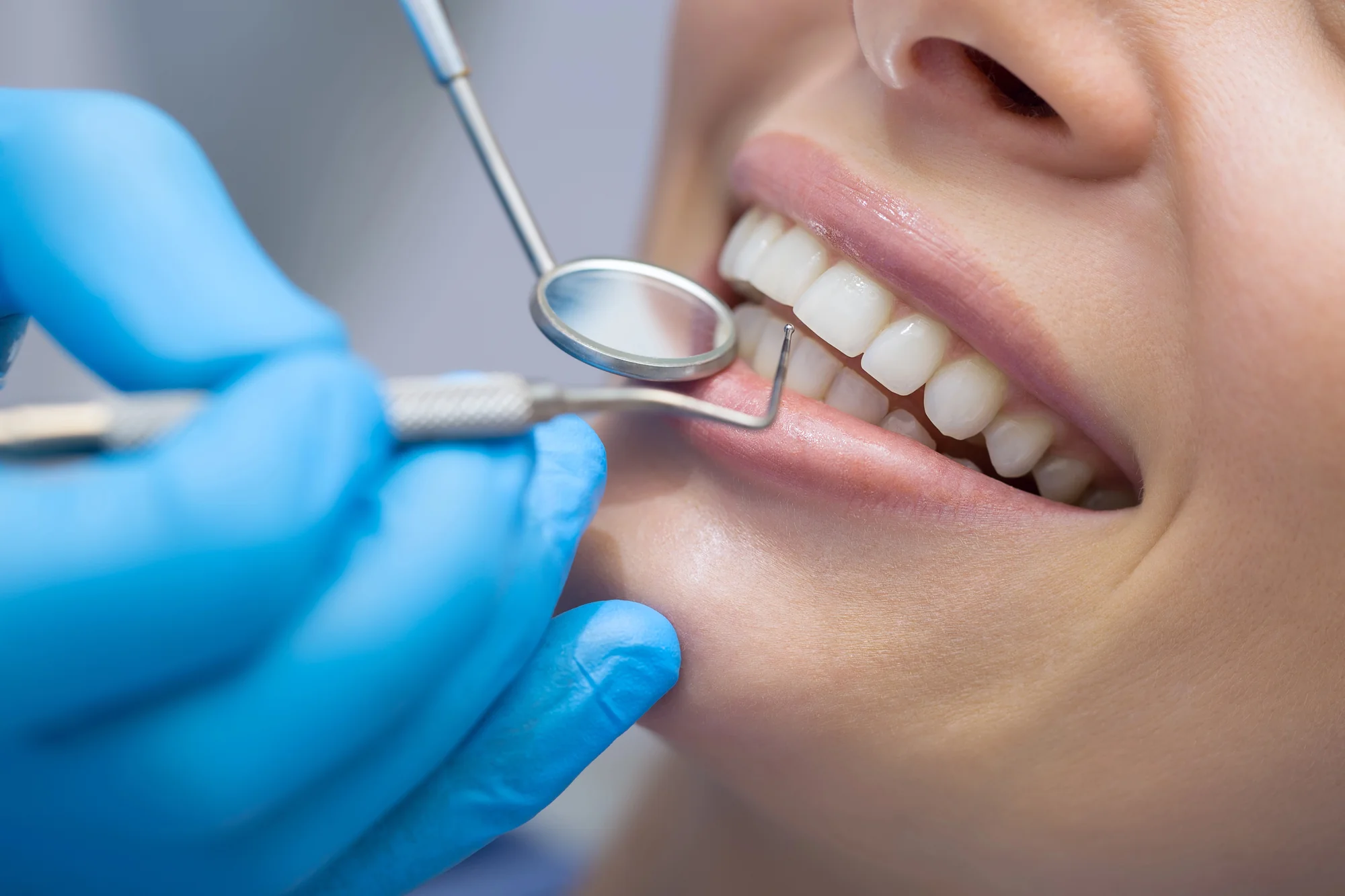
To obtain such a high degree of accuracy, your dentist applies special tools that are used to micro-shape:
- Diamond burs — These are rotary cutters with small grit that are used to gently polish rough surfaces and soften sharp, prominent canine tips or jagged edges that have developed as a result of wear and tear.
- Sanding discs — These are soft, flexible discs used to flatten the edges of the front and sides of the teeth, creating a graceful, smooth silhouette for each tooth.
- Polishing strips — Used between the teeth to refine the “embrasures” (the V-shaped spaces), ensuring a natural, flossable finish.
The final aim is to balance the dental arch. Dentists create a feeling of alignment where none existed before by re-shaping natural teeth to eliminate overlapping edges or even small chips. This is done through a meticulous shaving procedure. During the procedure, each tooth is matched for length and width. This gives a balanced, shiny smile that looks totally natural, since it is your natural tooth but has been polished by an expert.
Ideal Candidates for Tooth Reshaping
Cosmetic contouring is an effective tool for improving a person’s smile, but it is not a universal solution. Since the process involves the irreversible removal of a small amount of enamel, finding the appropriate candidate is key to both the aesthetic outcome and the patient’s long-term dental well-being. The following are the ideal candidates for dental contouring:
You may be a perfect client of the teeth reshaping process when you want to fix the localized problem, like the smoothing of jagged edges, or mamelons (natural ridges on newly erupted incisors), or the natural ridges, which are sometimes present on the biting edge of permanent teeth. It is also a superb method of smoothing out sharp or pointed teeth, making them gentler and more traditional.
Furthermore, patients with small, shallow chips or uneven tooth length often have their teeth levelled, resulting in a smooth line of teeth that changes their overall look. Minor overlaps can sometimes be visually minimized to make the teeth look straight without braces or a lifelong orthodontic treatment.
Before the sculpting process, specific clinical requirements must be met to ensure safety. An adequate enamel thickness is required, since the dentist will remove a layer of your tooth. Dentists ought to have a healthy buffer to guard the sensitive dentin and pulp beneath.
Healthy pulps are also essential to ensure that minor filing will not cause sensitivity or nerve problems. Dentists always need the most recent X-rays of your teeth to determine the thickness of your enamel and the location of your pulp. This helps ensure that the procedure is safe when properly indicated and planned.
On the other hand, individuals with naturally thin enamel or severe erosion might not qualify due to the risk of permanent sensitivity. Furthermore, in cases of significant misalignments, heavy decay, or large, weak fillings, other options like orthodontics, crowns, or veneers may be better. They not only provide the structural support required but also help achieve the aesthetic outcome you desire.
What to Expect During Dental Contouring
The dental contouring process is a way to achieve structural changes in the teeth without causing significant discomfort. The patient’s comfort and accuracy during this procedure are the priority to ensure a safe and satisfactory transformation. Since the process does not require any type of numbing or local anesthesia, as the procedure only involves the enamel, the outer non-living layer of the tooth, it is generally unnecessary. Although dental instruments can cause some vibration in patients, most report little to no discomfort.
Step 1: Comprehensive Clinical Assessment and X-Ray Analysis
The foundation of any successful cosmetic alteration is a thorough clinical assessment. Before a single instrument is lifted, your dentist must ensure that your teeth are healthy enough to be reshaped.
Dental X-rays are the “GPS” of the contouring process. Every tooth contains a delicate center, the dental pulp, which houses the nerves and blood vessels. Enamel thickness varies significantly from person to person. By utilizing X-rays, the dentist can visualize the exact location and volume of the pulp chamber.
The goal is to remove only a fraction of a millimetre of enamel. X-rays ensure that this removal will not get too close to the dentin or pulp, which could lead to chronic sensitivity or pain. The dentist must confirm that the tooth is structurally sound. If the enamel is already thin or there are underlying fractures, contouring might not be recommended.
This baseline measurement acts as a safety net. They ensure that the aesthetic gain does not come at the cost of long-term biological health.
Step 2: Artistic Marking and Aesthetic Design
Once the “green light” is given by the clinical exam, the process shifts from science to artistry. This is where the vision for your new smile takes a tangible form.
Using a specialized, non-toxic dental marking pencil, the dentist will highlight the tooth’s specific “high points” or irregularities. It is not just about shortening a tooth. It is about symmetry, length, and the “smile line.” It is the imaginary curve that follows the edge of your upper teeth and mirrors the curve of your lower lip.
Because the pencil marks are visible, you can look in the mirror and see exactly where the changes will occur before any permanent enamel is removed. It allows for a “trial run” of the symmetry. Whether you are looking to round off sharp canine points or level out a jagged edge on a central incisor, these markings serve as the definitive guide for the sculpting process.
Step 3: Precise Contouring and Polishing
The final stage is the execution. Using high-precision instruments, the dentist begins the physical transformation of the teeth.
Transformation reshaping is typically performed using diamond burs, rotating instruments coated with microscopic diamond particles, and fine sanding discs. These tools allow for extreme granularity. The dentist can shave off layers as thin as a hair’s breadth.
Tooth contouring is virtually painless. Because enamel lacks nerves, local anesthesia (numbing) is rarely required. You will feel a steady, rhythmic vibration, along with a slight cooling sensation from the water spray that keeps the tooth at a safe temperature. Most patients describe the feeling as being very similar to a professional dental cleaning or “scaling.”
The efficiency of this procedure is a significant benefit. Most contouring sessions are completed within 30 to 60 minutes, depending on the complexity and the number of teeth involved. Once the desired shape is achieved, the dentist finishes by polishing the teeth with a smoothing paste. This ensures the newly contoured edges are as smooth and lustrous as the natural enamel, leaving you with a refreshed, balanced, and harmonious smile.
Step 4: Final Polishing
The last one is the polishing of teeth after filing. Special smoothing discs and polishing pastes are applied so that the new contoured surface is absolutely smooth. This is essential for achieving a high-gloss finish, as well as for its functional aspect, which prevents plaque formation and makes the tongue feel that the remodelled enamel has no rough edges or lines.
Understanding Your Smile Makeover Options
When planning a non-invasive smile makeover, it is essential to understand the “direction” of the dentistry being performed. Dental treatments are usually classified into additive and subtractive procedures. The decision between them is determined solely by the condition of the teeth at present and the outcome you desire.
Cosmetic Contouring
The most common example of subtractive dentistry is cosmetic contouring. Contouring is a technique that differs from other processes that seal or cover the tooth. Instead, it involves strategically removing enamel in tiny increments.
It is the least invasive, which is more appropriate for minor changes to the shape, such as flattening irregular edges or smoothing out jagged canines. The material is not stuck to the tooth, so there is no risk of staining or chipping over time.
Dental Bonding
On the contrary, dental bonding is an additive process. It involves using tooth-colored resin composite on the tooth surface to build length, seal gaps, or repair discoloration. Whereas in contouring, the enamel is removed to repair a chip, in bonding, a material is added to the chip.
The difference between bonding and filing is the difference between building up and sculpting down. Bonding is ideal for patients who need to increase the size or change the color of their teeth.
Porcelain Veneers
Veneers are more invasive and permanent than reshaping. It is done by coating the whole front side of the tooth with a porcelain shell. Significant modifications in form and color, particularly when the natural teeth are highly stained or severely crooked, can be achieved with veneers. Veneers are the opposite of contouring. Unlike contouring, which works with what you already have, veneers replace the visible surface entirely.
A combination of techniques is often what aims to reach the best results. For example, a dentist could use contouring to flatten the upper edges of the lower teeth and bonding to fill a gap in the upper teeth. This combination makes the smile as symmetrical and balanced as possible with additive and subtractive techniques where they suit best.
Advantages and Disadvantages of Dental Contouring
Before committing to any cosmetic enhancement, perform an honest assessment of the benefits and risks involved. Dental contouring is a remarkable tool in aesthetic dentistry, offering long-lasting benefits.
Dental contouring is mainly advertised as efficient and affordable. It is regarded as one of the most affordable dental procedures for patients who want to improve their smile appearance. Since the process is completed in one visit, without anesthetic treatment or a recovery period, it provides instant satisfaction. Moreover, because it is a procedure that shapes the existing tooth rather than using external materials, there is no risk of the bonding material rupturing or the veneer popping off. It is an efficient solution for minor cosmetic concerns and small aesthetic disproportions.
Although it has advantages, there are naturally inherent risks in filing teeth that patients will also face. Contouring is an irreversible dental procedure. The tooth enamel does not regenerate. When the material is taken off, that is it. Moreover, the scope of the process would be narrowed to minor alterations. It is not capable of correcting significant discoloration or crowding. Also possible is the risk of tooth sensitivity following a filling when the enamel is excessively thinned, exposing the underlying, more sensitive layers.
The most critical factor in reducing the risk of enamel loss is choosing an accomplished cosmetic dentist. An effective specialist will use accurate measurements and diagnostic equipment to ensure the required volume of enamel is removed. When a dentist respects the biological boundaries of the tooth, he/she can achieve the desired aesthetic outcome while avoiding long-term effects on tooth health and sensitivity.
Cost of Cosmetic Contouring
Navigating the financial aspect of elective dental work is a key part of the decision-making process.
Cosmetic contouring costs an average of $50 to $ 300 per tooth. This price variation is primarily determined by:
- The level of reshaping to be undertaken
- The number of teeth to be treated
This is one of the most convenient points of entry into cosmetic dentistry for many patients, thanks to its relatively low cost compared to other options.
When evaluating your options, it is helpful to consider the broader range of cosmetic dentist prices. Dental bonding generally costs between $300 and $ 600 per tooth. On the other hand, porcelain Veneers cost between $1,200 and $2,500 per tooth.
As it may happen, contouring is a much cheaper way to address minor chips or unevenness if you do not need the color-changing properties of porcelain or resin.
One of the central questions people often ask is whether tooth reshaping is covered by dental insurance. The fact that contouring is nearly always considered a strictly cosmetic or an elective procedure usually means that standard dental plans do not cover it. To some extent, however, there is an exception. Some plans may reimburse part of the procedure, provided it is medically necessary to repair a tooth destroyed by accidental injury or trauma. It is always recommended that your dental office perform a benefits check before your appointment.
To simplify these improvements, most dental offices offer third-party financing. Most often, these arrangements offer 6 to 24 months of no-interest promotional rates, so instead of making a single payment, you can make several monthly payments.
Find a Cosmetic Dentist Near Me
Ever feel like your smile is almost perfect, save for one jagged ede or a slightly overlapping tooth? Cosmetic contouring is the go-to option. It offers a fast, painless way to boost your self-confidence without using numbing agents or needles. Through subtle carving of enamel, dentists bring about harmony and balance, which will have changed your whole appearance within a visit.
It is incredible how a few millimeters can make a world of difference. Call SoCal Dental of Valencia at 661-554-4545 to schedule your appointment and further discuss cosmetic contouring with our dentists.