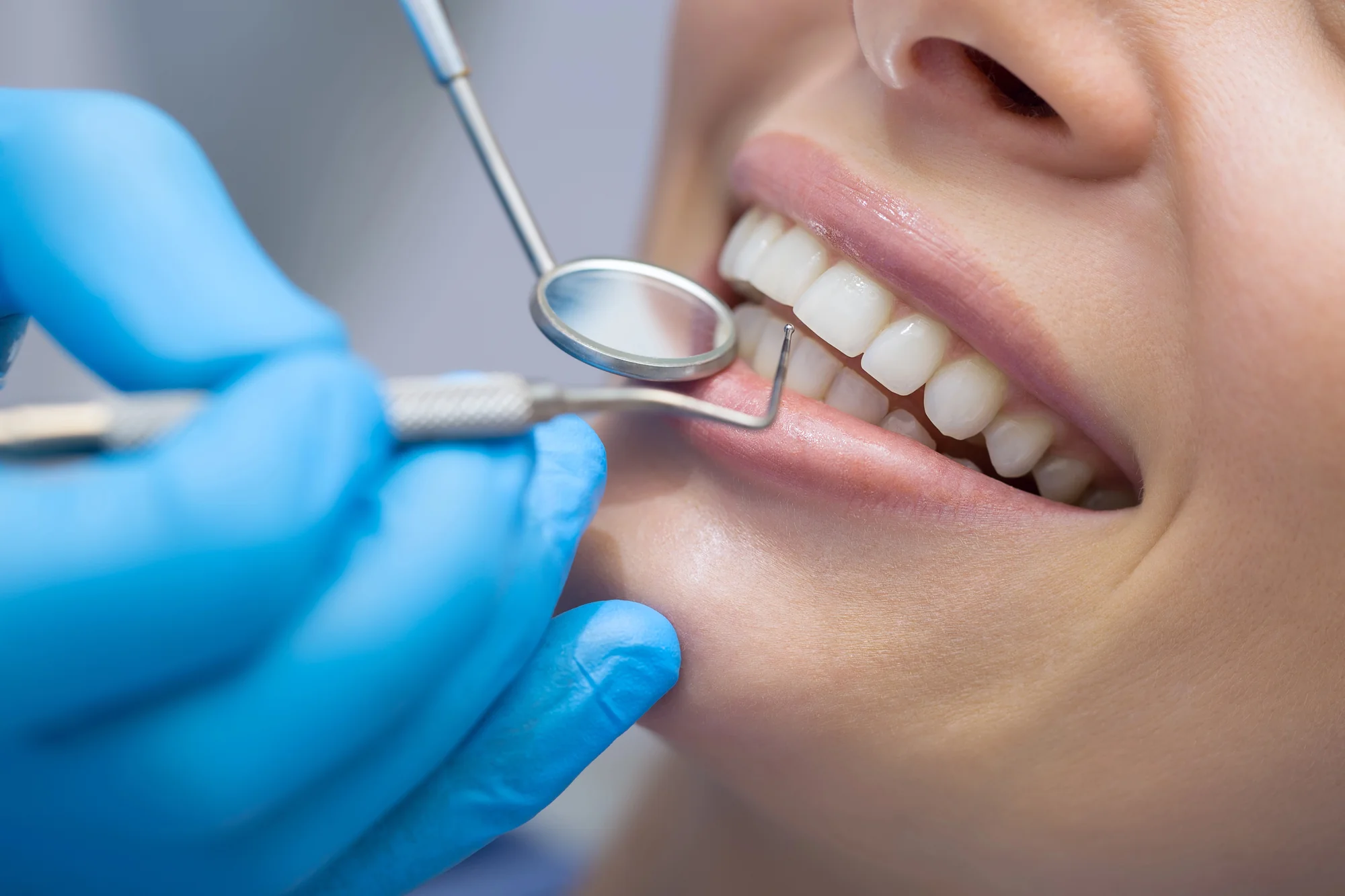
An emergency tooth extraction is a dental procedure that may be required when a tooth is too severely damaged to be saved. It is done to alleviate pain and prevent severe health consequences. An untreated infected tooth or severe fracture allows bacteria to spread to other areas of the body. In severe cases, this can result in life-threatening complications like sepsis. For this reason, dental standards of care emphasize timely evaluation and accurate diagnosis to determine whether tooth extraction is the safest treatment option. Emergency dental care is designed to prevent infection, alleviate pain, and minimize additional complications. Timely treatment in a well-equipped clinical facility is crucial for short-term and long-term oral health. At SoCal Dental of Valencia, our dentists are prepared to offer timely, quality emergency treatment to address urgent dental issues and facilitate a safe recovery.
Signs That You May Need an Urgent Tooth Extraction
The decision on whether a tooth is salvageable or not should be made with keen consideration by a dentist. A change in pain is one of the warning signs. What can start as a sharp response to temperature or pressure can develop into a persistent, dull, throbbing pain.
This can be a sign of permanent destruction of the pulp of the tooth, which means the inner tissue is dead. When bacteria enter this space, pressure accumulates in the tooth and diffuses through the root to the surrounding bone, resulting in infection.
The body may develop a visible bump on the gums (a parulis) in an attempt to drain the infection. This is a good sign that the tooth is already dead and needs to be extracted to avoid further damage.
Another common cause of emergency tooth extraction is severe periodontal disease. When you have severe gum disease, the tooth can be loose or unstable during chewing as the supporting bone and ligaments degenerate.
This mobility is often accompanied by gum inflammation, bleeding, and pain in emergencies. When left untreated, the infection can persist, destroying the jawbone and making future restorative procedures, such as dental implants, difficult. Extraction of the affected tooth prevents the continued bone loss and minimizes complications in the long run.
Traumatic dental injuries may also need urgent tooth extraction. Vertical root fractures are caused by accidents that usually leave the tooth irreparable. These fractures tend to extend under the gum line, and hence, the bacteria can easily access deeper parts of the jawbone.
The patients tend to have sharp pain when the tooth is pressed. In these cases, it is necessary to remove it immediately to avoid the development of abscesses. Dentists use high-level imaging to determine the extent of damage and ensure that all fractured areas are cleared safely.
What Happens During an Emergency Tooth Extraction
Extraction of teeth in an emergency is a well-regulated surgical procedure. The process starts with the local anesthesia to completely numb the area and avoid pain. Dentists typically use a combination of anesthetic agents to achieve short-term and long-term pain relief. Since active infections can compromise the effect of anesthesia, alternative methods, such as nerve blocks, can be employed to ensure patients are comfortable before proceeding.
After verification that anesthesia has been administered, the dentist begins loosening the tooth, a process known as luxation. This includes the soft expansion of the socket with special tools and the separation of the tooth and its ligaments.
This step may cause pressure for patients, but it should not result in sharp pain. Accuracy is essential because when too much force is applied, it may destroy the surrounding bone. Staying still and following instructions during the procedure helps make it safer.
The last extraction is performed using forceps that are specifically designed to hold the tooth in place. Rocking and rotational movements are also controlled to release the tooth without damaging the surrounding bone, as they are crucial to proper healing and subsequent treatment options.
The socket is then thoroughly cleaned after the tooth is removed to remove any infected tissue and debris. This measure facilitates healthy healing and reduces the likelihood of complications, allowing the body to initiate its natural healing and bone regeneration process.
What You Need to Know Before Agreeing to an Emergency Extraction
The legal requirement of informed consent is a fundamental aspect of your dental care, even in emergencies. Your surgeon should not carry out an emergency extraction without your complete knowledge of the risks, benefits, and alternatives.
This includes an explanation of the potential for nerve damage, sinus perforation, or the fracture of neighboring teeth. You have the right to know why extraction is the best course of action and what could occur if you decide to postpone the process. This dialogue ensures that you are an active participant in your healthcare decisions and is documented in your medical record to comply with state and federal regulations.
Limitations of Formal and Implied Consent
The implied consent is not very common in dental extractions, unless you are unconscious or otherwise incapable of communication. Thus, you will be required to sign a formal consent form that will state the exact tooth that will be extracted and the type of anesthesia that will be applied.
This is a document that you should read carefully and ask any questions that you might have concerning post-operative recovery or the cost involved in the procedure. This legal transparency protects you and the provider while ensuring that you fully understand the clinical goals. Although it may feel like a formality in an emergency setting, it remains a critical safeguard of your bodily autonomy and legal rights as a patient.
Diagnostic Records Required to Justify Extraction
Additionally, the diagnostic records used to justify the extraction should be clear and comprehensive. Digital X-rays will be taken to show the condition that necessitates the tooth’s removal clearly.
These images are used as legal evidence to demonstrate that the extraction was medically necessary and met the standard of care existing at that time. Carrying out an extraction without the appropriate radiographic evidence would be a violation of professional rules.
The contemporary dental practice is highly technological and ensures that verifiable and objective data backs all surgical decisions. Evidence-based practice is a hallmark of quality emergency dental services.
How Dentists Handle Problems That Can Happen During an Extraction
Root Tip Fractures
Emergency extraction complications are sometimes situations that require urgent clinical skills to overcome. A root tip fracture is one such problem; the bottom part of the tooth fractures off and is left stuck in the bone.
If this happens, your dentist should determine whether to surgically extract the fragment or leave it in place, as its removal could be hazardous to the surrounding nerves.
Your emergency dentist will inform you in case this occurs, and the clinician will employ notable root picks to retrieve the fragment whenever possible. This involves a lot of surgical expertise and patience to ensure that the surrounding structures are not damaged during the retrieval process.
When the Upper Sinus Is Affected
The other possible complication is the implication of the maxillary sinus, particularly in the extraction of upper molars. The stems of these teeth are frequently very near the sinus floor. If a tiny opening forms during extraction, it is referred to as an oroantral communication. This may cause you to experience a strange sensation when you breathe or change your voice.
Your dentist is trained to identify the issue immediately and will take action to seal the opening, usually by applying sutures or collagen membranes. You are specifically advised not to blow your nose or use straws, as this can affect the wound as it heals.
Bleeding Management
Managing bleeding is an essential part of the procedure. While most tooth extractions involve only minor, controllable bleeding, some patients may experience prolonged bleeding that requires additional care.
To ensure that the socket clots quickly, your dentist will apply local hemostatic agents, including Gelfoam or oxidized cellulose. They can also use heavy-duty silk or gut sutures to gather the gum tissue together and apply pressure to the wound.
It is crucial to provide your dentist with a complete list of all medications you take, especially blood thinners, so that they can prepare for possible bleeding. Managing these risks is a professional responsibility of every emergency dental provider.
How to Care for Yourself After Tooth Extraction
Protecting the Blood Clot for Proper Healing
The time after your extraction is a time of strict behavioral requirements that you are required to follow to have a successful recovery. The primary aim of the legal and medical approach is to preserve the blood clot that develops in the empty socket.
The blood clot is an essential structure that supports healing by providing growth factors and a framework for new bone and tissue to form. You will receive written instructions on how to maintain the site. You should follow these instructions carefully to ensure compliance, as failure to do so may cause complications and necessitate more invasive treatment.
Actions to be Avoided during Recovery
Your dentist will recommend that you avoid activities that may dislodge the clot, either through chemical or pressure-related effects. This involves avoiding smoking and the use of straws, which cause suction in the mouth.
You should also avoid vigorous rinsing or scraping, as this can dislodge the clot. Instead, you will be instructed to lean forward and allow fluids to drain passively from the mouth. Such precautions are necessary to heal and avoid painful complications.
Pain Management and Medication
Post-extraction pain management should adhere to specific clinical principles. Your dentist will recommend over-the-counter anti-inflammatory medications, such as ibuprofen or naproxen, for relief from pain and inflammation.
However, in some cases, you may require a brief treatment with a more potent medication. You have to take all drugs as prescribed and understand potential side effects. A chlorhexidine mouth rinse can also be prescribed to lower the level of bacteria in the initial healing period. A proper medication plan will help manage inflammation and promote healing.
Understanding Dry Socket and How to Avoid It
The most common complication that occurs after an emergency extraction is alveolar osteitis, also referred to as dry socket. It happens when the blood clot is lost, leaving the underlying bone and nerves exposed to air, food, and fluids.
The symptoms usually manifest three to five days following the procedure, and they include severe pain, which can extend to the ear. If you experience a feeling of dry socket, you should call your dentist immediately. It can be treated by washing the socket and applying a medicated dressing to alleviate pain and keep the exposed bone covered.
Risk Factors and Prevention
Individuals who smoke and use oral contraceptives are more prone to dry socket. These are the risk factors that you need to report to your dentist. Additional interventions will then be taken by your dentist, such as using a risk management intervention, which involves applying a slow-release medicated gel in the socket at the time of extraction.
Your dentist will advise you to maintain the cleanliness of your mouth and consume soft food to reduce the chances of disrupting the surgical site. Understanding the mechanism of developing dry socket will help you appreciate the importance of following post-operative instructions to the letter.
Monitoring for Infections
In addition to dry socket, you should also take note of the site of extraction in case of infection, including swelling, fever, or unpleasant taste, which does not go away. Although the primary source of infection is eliminated, secondary complications may still occur occasionally due to residual bacteria.
Antibiotics can be prescribed by your dentist, particularly if the initial infection was severe. It is essential to complete the entire course as prescribed to heal correctly and prevent antibiotic resistance, which safeguards your health and the health of the community.
The Impact of Tooth Removal on Your Jawbone Over Time
Once the emergency extraction is over, you should consider the long-term effects on your jawbone and face. When a tooth is removed, the jawbone area that was supporting the tooth, the alveolar process, is no longer mechanically stimulated to maintain its density.
Consequently, the bone begins to melt or dissolve. Over the next several months, you will discover that you have a dip in your gum line. Such loss of the bone can eventually cause the instability of the surrounding teeth, which can tilt or shift into the space. Such misalignment can cause other dental complications, such as bite problems, and the remaining teeth are at risk of further decay.
Socket Preservation and Bone Grafting
To avoid such loss of structure, discuss the possibility of a socket preservation graft at the time of extraction. This will entail placing a little bit of bone grafting material in the socket immediately after the tooth is removed.
The graft is a scaffold that causes your body to grow new bone to support the height and width of the jaw ridge. This is especially necessary when you intend to have a dental implant in the future. Extraction should not be viewed as the end of the treatment process, but rather as the beginning of a re-creative process.
Long-Term Oral Stability and Tooth Replacement
Replacing a lost tooth is not just a cosmetic matter; it is a crucial consideration for the overall health of your mouth. When a tooth is lost, the remaining teeth will begin to shift towards the space where the lost tooth was.
This movement can alter the fit of your teeth, which may affect your bite and reduce its effectiveness during chewing. The pressure imbalance on the remaining teeth can eventually cause unnecessary wear, tooth destruction, or pain in the jaw muscles and joints, including the temporomandibular joint (TMJ).
Tooth loss may also impair speech and make it more difficult to chew certain foods, which can impact nutrition and digestion. Tooth replacement options, such as dental implants, braces, or partial dentures, are designed to restore the balance of your bite and enable your mouth to function normally. The objective is to restore your dental arch to its natural position and prevent further complications.
With the help of your dentist, you can develop a customized long-term treatment plan that fits your budget and aligns with your oral health goals. Early intervention can help preserve the rest of your teeth and maintain long-term oral stability after a dental emergency.
Find Efficient Emergency Dental Services Near Me
Professional attention and close follow-up are crucial for achieving the best possible outcome in emergency tooth extractions. In cases of severe infection or extensive tooth destruction, the primary objectives are to alleviate pain, prevent the further spread of disease, and maintain your overall well-being. Understanding the extraction process and the consent process may make you feel more relaxed and knowledgeable. Being aware of what to expect during the healing process also makes you feel more prepared for recovery. Post-treatment care and scheduling of any type of restorative care are also part of recovery to avoid oral health damage in the long term.
At SoCal Dental of Valencia, our emergency dentists offer high-quality emergency dental services. We utilize modern technology and effective clinical practices to ensure patient safety and comfort. If you are experiencing extreme dental pain or injury, seek treatment as soon as possible. Contact us today at 661-554-4545 to make an emergency appointment and take the first step toward relief and recovery.