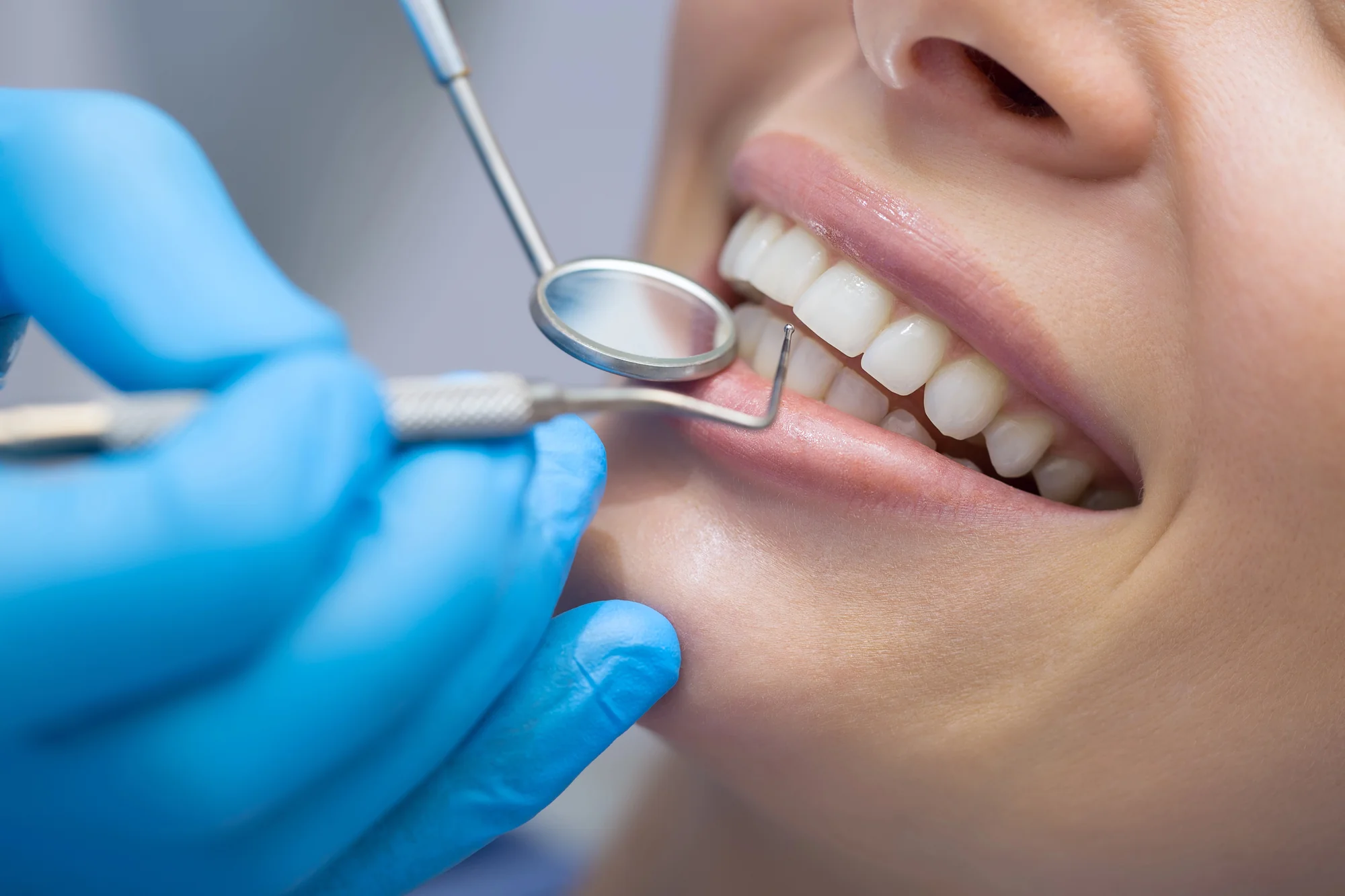
A growing family faces unique dental needs and scheduling demands that require organized, comprehensive dental care. Having children, teens, and adults in different offices may result in scattered records and inconsistent treatment plans. This lack of continuity may lead to developmental concerns in children being missed. It may also cause hereditary dental patterns to go unnoticed over time. Family dentistry helps address these problems. It provides a single dental home where care is tailored to each stage of life, yet guided by the same philosophy of care. Patients benefit from simplified care, improved communication, and a long-term approach to family oral health. At SoCal Dental of Valencia, our family dentists are committed to delivering holistic, humane care that helps every family member to have a healthy smile today and in the future.
The Benefits of a Unified Family Dental Home
Long-term Preventive Care and Clinical Benefits
Creating a single dental home for your family offers significant clinical benefits beyond the convenience of scheduling. By using a single provider across all generations of your family, the practitioner will have a profound understanding of your family’s oral health history and genetic tendencies. Aggressive periodontitis, enamel hypoplasia, and some forms of malocclusion are among the dental conditions with a strong hereditary component.
A family dentist can detect such patterns early by observing them in parents and actively tracking children with these indicators. This care methodology is longitudinal, meaning preventive measures are taken many years before minor problems can develop into complex and costly medical needs. You enjoy the advantage of a smooth flow of information, with your clinical records stored in a single, secure place, so you can accurately track your oral health over decades, not just months.
Positive Dental Experiences and Emotional Comfort in Children
The psychological effect of a regular dental setting is also crucial to the younger members of your family. Children tend to become very anxious when they are exposed to new clinical environments or to staff members on rotation. When you take your child to the same office where you receive your own care, you normalize dental care and build trust and familiarity.
Your child watches how you relate with the staff and the surroundings, which significantly minimizes the fear of the unknown. The family dental model can be used to ensure the child has a happy visit, becoming familiar with the office setting and its sounds and sights without the stress of an immediate procedure.
This initial positive reinforcement will lay a foundation for healthy dental behaviour throughout the rest of your life and help ensure that your children do not bring dental phobias into adulthood.
Efficiency in Time, Co-ordination, and Personalized Care
The family dental model is respectful of your time and resources, logistically speaking. It is also possible to book block appointments in which several family members can be seen within the same window, saving you from making multiple trips across Valencia.
Moreover, a family dentist is a primary care provider for your oral health. If a family member needs a specialized intervention, such as advanced oral surgery or complex orthodontics, your family dentist will help with the necessary referrals and monitor the overall treatment plan.
This ensures that all specialists who will be working with your care are aligned with the overall objectives set at your primary dental home. You also receive a certain amount of individual care that is usually lost in the larger, high-volume corporate dental setting.
Understanding the Different Areas of Family Dentistry
- Protecting Developing Smiles Through Pediatric Milestones
Primary teeth are crucial in determining a child’s future oral health. They serve as the basis for the correct positioning, spacing, and function of permanent teeth. The condition of milk teeth directly influences the development of adult teeth and the jaw.
The focus of pediatric dental care in a family practice is on preventing early childhood cavities and promoting healthy jaw development. Since the enamel of a child is thinner and more porous compared to that of an adult, it is prone to decay. Prevention and specialized treatment are necessary to safeguard growing smiles and minimize the risk of long-term dental complications.
Cavity Prevention Dental Sealants
One of the most effective preventive interventions in pediatric dentistry is the use of dental sealants. Deep grooves are found on the chewing surfaces of molars, which are hard to remove by regular brushing.
These holes and crevices are easy to trap food debris and bacteria, increasing the risk of cavities even with well-maintained oral hygiene in children. Sealants serve as a protective coating in which these exposed areas are coated with a thin layer of medical-grade resin that prevents access of bacteria to the enamel.
The sealant procedure is painless, fast, and noninvasive. The tooth is dried and cleaned, lightly prepared to facilitate bonding, and then the sealant material is applied. The resin hardens in a few seconds with a curing light, creating a smooth surface that is easier to clean.
The sealants are durable, can last several years, and are particularly useful during the cavity-prone years of childhood. By having regular dental checkups, your dentist can monitor and maintain the sealants to keep them effective as your child grows.
Space Maintainers for Proper Alignment
When a primary tooth is lost prematurely due to decay or trauma, neighboring teeth can shift into the space left by the missing tooth. Primary teeth serve as natural guides for permanent teeth, and premature loss of primary teeth may interfere with this process. When surrounding teeth drift, they may obstruct the eruption path of adult teeth, leading to crowding, impaction, or misalignment. To avoid such problems, a family dentist may prescribe a space maintainer.
A space maintainer is a specially made device, usually made of stainless steel or tough acrylic, that is used to keep the space open until the permanent tooth erupts. These appliances are typically permanent, but in certain situations, removable ones can be suitable. Space maintainers preserve the shape of the dental arch and prevent neighboring teeth from shifting, significantly reducing the need for extensive orthodontic treatment later in life.
- Preventive Care
Lifelong oral health is based on preventive dentistry. The main aim is to prevent dental diseases before they permanently affect teeth, gums, or bone. Daily brushing and flossing are necessary, but they cannot substitute professional care.
Regular checkups enable your dentist to remove plaque buildup, diagnose diseases early, and provide a comprehensive assessment of your oral health.
Tartar Removal and Professional Cleanings
Despite regular home care, plaque may build up in hard-to-reach areas. Over time, plaque hardens into tartar, which cannot be brushed off. The accumulation of tartar along the gumline leads to inflammation called gingivitis, which may develop into periodontitis if left untreated. Periodontitis is a significant cause of tooth loss and destroys the bone and connective tissues that hold the teeth.
When you visit the dental office, your hygienist cleanses above and below the gumline with special equipment to remove plaque and tartar. The teeth are then polished to eliminate surface stains and smooth the enamel, making it less prone to bacterial attachment.
Professional flossing also helps clean areas that are often overlooked at home. This intensive cleaning procedure enables you to achieve healthier gums, fresher breath, and a lower risk of severe dental disease.
Advanced Dental Diagnosis Using Digital X-Rays
A complete dental assessment cannot be achieved without a visual examination. Digital X-rays allow your dentist to identify issues beneath the surface that may not be visible during a visual exam. This technology emits much less radiation than traditional X-rays and produces clear, detailed images. Digital imaging helps identify cavities between teeth, bone loss due to gum disease, impacted teeth, and developmental issues in children.
The images are displayed immediately on a monitor, so you can learn more about your oral health and be involved in your treatment. Digital X-rays are easy to store and compare over time, which will help your dentist monitor changes in bone structure or tooth position. This diagnostic accuracy enables effective long-term care for your whole family.
- Restorative Dental Procedures
Over time, your teeth naturally wear down, may be damaged in accidents, and undergo age-related changes. Restorative dentistry is concerned with restoring your mouth to full functionality and beauty after damage. You should consider dental restorative care as a means of structural preservation; when you fix a broken tooth early enough, you will avoid the spread of infection to adjacent tissues or other teeth. These repairs can be made virtually invisible with modern materials and techniques.
Installation of Tooth-Colored Fillings and Crowns
Once the decay has reached the enamel and the dentin, you need a filling to cover the tooth and avoid further infection. These repairs were traditionally performed with silver amalgam, but contemporary family dentistry is centered on composite resins.
These tooth-colored materials are bonded directly to your natural tooth structure, and less healthy enamel is removed during the preparation stage. You receive a powerful, substantial restoration in the exact shade of your smile. For more extensive damage in which a filling cannot be used to maintain the structural integrity of the tooth, a porcelain crown is the choice.
A crown, or a cap, entirely covers the visible part of the tooth. A large cavity, a fracture, or a root canal may necessitate a crown. These restorations are specifically designed to be anatomically similar to your natural tooth, so your bite remains in place, and your chewing action is restored.
The modern ceramic crowns are of high quality, which provides excellent strength and a translucency that reflects light like natural enamel. Investing in a crown will save a weakened tooth that is already fractured, preventing the need for a tooth extraction.
Installation of Modern Dentures and Dental Implants
The loss of one or more teeth may be a devastating blow to your quality of life, as it may affect your speaking and eating habits as well as your capacity to eat a balanced diet. There is also a danger of bone resorption, since the jawbone needs the stimulation of tooth roots to be able to keep its density. Dental implants offer the best technology in replacing a tooth by replicating the whole structure of a natural tooth.
The titanium post is implanted into the jawbone, where it undergoes a biological process called osseointegration. This is done to enable the bone to fuse to the implant, forming a lasting, stable base for a custom-made crown.
If you have lost several teeth or even an entire arch, modern dentures are a sure and beautiful way to go. You do not need to put up with the bulky and ill-fitting prosthetics of the past. Modern-day dentures are made of lightweight biocompatible materials that are comfortable to the gums. You can either use partial dentures that will be used to fill the spaces between your remaining teeth or use complete dentures in case you need to replace them entirely.
To be more stable, most patients prefer implant-supported dentures clipped to multiple strategically placed implants. This will eliminate the slipping and discomfort that come with traditional removable prosthetics, and you will feel confident smiling and talking without stuttering.
Gentle Root Canal Therapy
The root canal is one of the most misconceived dental procedures. A root canal does not cause pain, but it is a solution to it. The pressure in the internal pulp of your tooth, the part where the nerves and blood vessels are, is excruciating when it is infected by deep decay or trauma.
Failure to remove the infection may result in painful abscesses and general health complications. Root canal therapy involves removing the infected pulp, after which the tooth’s internal canals are carefully cleaned and disinfected.
After sterilizing the canals, a biocompatible substance known as gutta-percha is inserted into the canals and closed. After a root canal, a crown is usually needed to protect the tooth, which is now weakened by the removal of its living tissue.
- Improving Smiles through Family Cosmetic Dentistry
Although oral health and function are the pillars of dentistry, the appearance of your smile significantly impacts your confidence and self-image. Family cosmetic dentistry deals with cosmetic issues that occur naturally at various ages.
Cosmetic dentistry can make your smile look its best at any age, from straightening small gaps in teens to brightening stained teeth in adults, without harming your dental health. These services are aimed at improving the appearance and function of teeth so that all family members feel more confident in their daily lives.
Professional Whitening of Teeth
Over time, teeth are stained by everyday foods and drinks like coffee, tea, wine, and some spices. Enamel may also become darker or more yellow with age. Even though there are numerous over-the-counter whitening products, most lack the power and precision to achieve visible, permanent results.
Medical-grade bleaching agents are used in professional teeth whitening procedures. They penetrate deep into the enamel to safely and effectively remove hard-to-remove stains. Professionally guided treatments are used to ensure your gums are protected and less sensitive.
You can choose in-office whitening or a professional take-home system. Treatments in the office have dramatic effects and can be administered in a single visit; hence, they are suitable for special events.
Take-home kits include custom-made trays that ensure even application and prevent gum irritation. These systems slowly whiten your teeth as you use them, and they are comfortable to wear. Compared to store-bought alternatives, professional whitening provides more consistent, lasting results and restores a brighter smile.
Invisalign and Clear Aligner Therapy
The old-fashioned metal braces may make teens and adults unwilling to seek orthodontic treatment. Clear aligners, such as Invisalign, offer a more discreet way to straighten teeth. These procedures involve a sequence of custom-designed, transparent aligners that gradually slide the teeth into the correct position.
Since the aligners are almost transparent, you can be treated with minimal effects on your looks or lifestyle. This alternative is beautiful for busy families seeking effective, subtle orthodontic treatment.
Clear aligners are removable, allowing you to eat freely and maintain your regular brushing and flossing routine without the restrictions of brackets and wires. For best results, they should be worn about 22 hours a day. Clear aligner therapy can effectively correct crowding, gaps, and minor bite issues, offering a comfortable, discreet way to achieve a healthier, more attractive smile.
- Family Emergency Dental Procedures
Dental emergencies may occur without warning and outside working hours. A clear plan will help eliminate stress and provide a quick, efficient treatment. Timely therapy is essential for alleviating pain, preventing complications, and maintaining natural teeth as long as possible. A reliable family dentist can provide immediate assessment and stabilization and guide you through emergencies.
Treatment of Knocked-Out (Avulsed) Teeth
A knocked-out tooth is a serious emergency that needs immediate attention. You should only touch the tooth at the crown, not the root. If the tooth is dirty, it can be sponged with water without scrubbing.
The tooth must be reinserted into the socket where possible. In the event of reinsertion failure, it is critical to keep the tooth moist in milk or a tooth-preservation solution. Visiting an emergency dental office within 30 to 60 minutes has a high likelihood of saving the tooth.
Treatment of Abscesses and Severe Toothaches
Severe or persistent tooth pain is a strong indication of a severe infection or abscess. The symptoms can be swelling, bad taste, or a gum lesion. These infections cannot be cured on their own and may be dangerous when bacteria are spread outside the mouth.
The abscess should be drained and the infection treated as soon as possible by performing a root canal or an extraction. Antibiotics can also be administered. Early intervention helps protect your overall health and prevents irreversible tooth loss.
Find a Valencia Family Dentist Near Me
Protecting your family’s oral health requires more than an occasional visit to the dentist. You need a dental home you can trust, one that understands the changing needs of each family member. An integrated family dentistry model will ensure the provision of preventive, pediatric, and restorative care in a consistent, clinically excellent manner. Developing a long-term relationship with your dentist will enable you to identify issues early. Your family doctor can help build a unique care plan that considers your family’s history and aspirations. You need a dental team focused on comfort and technology, determined to keep your smile healthy and confident over the years. Take the next step towards lifelong oral health for your whole family. Contact SoCal Dental of Valencia today at 661-554-4545 to schedule your dental appointments.