Do you have a minor blemish in your smile that feels distracting? It can be a deep-rooted gap, a small chip, or a permanent stain, but cosmetic bonding offers a simple, non-invasive approach to enhancing your smile during a single visit.
The specialists at SoCal Dental of Valencia carefully shape and polish your smile using a durable, tooth-colored composite resin to create a natural-looking appearance. It is the last-minute smile makeover for those who want high-impact results without the cost or commitment of veneers. Call us to book your appointment and regain your confidence.
What Can Dental Bonding Fix?
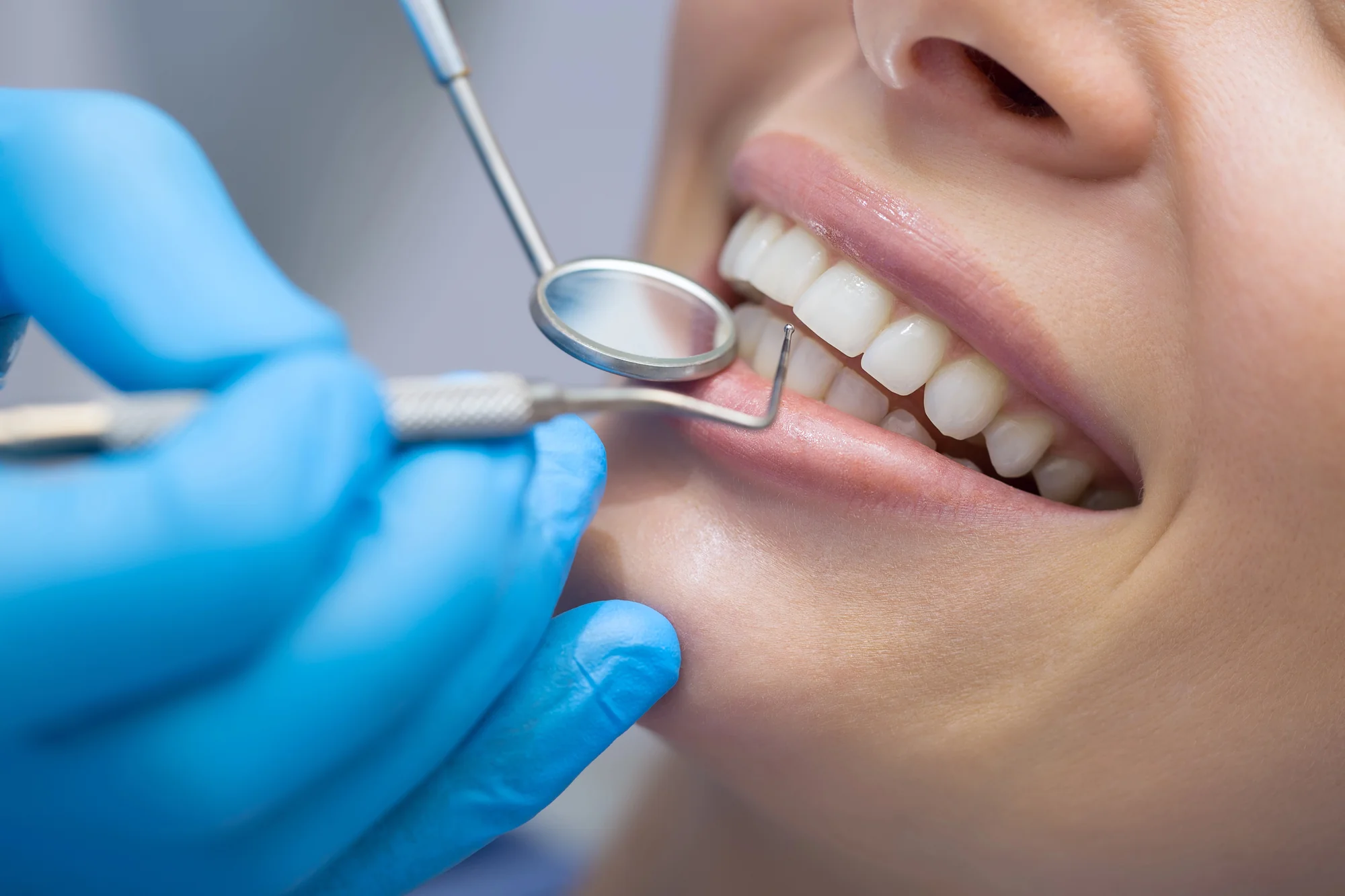
Dental bonding refers to a cosmetic procedure and a form of restoration that a dentist uses on your teeth to repair a damaged area or enhance the appearance of your teeth. The material is referred to as bonding, as the material literally sticks to the tooth surface with the help of a special high-intensity light.
Dental bonding offers a wide range of options. Whether it is the aesthetic appearance of teeth, the shade of teeth, or the durability of the restoration, a broad range of aesthetic issues can be addressed in a single average session with the help of high-quality composite resin. The resin is highly translucent and designed to mimic natural enamel closely.
If you are wondering whether this is the right procedure to undergo, the following are the primary applications of dental bonding.
Closing Gaps Between Teeth (Diastema)
A common use of teeth bonding among patients is to bridge a gap between teeth, commonly referred to as a diastema. It is the gap between two teeth, usually the front incisors. Bonding is a great instant solution for localized gaps, whereas orthodontics is highly recommended for more significant alignment issues. Dentists apply the resin to the sides of the teeth very carefully, adding material to close the gap and give the smile line a unified and harmonious look.
Restoring Broken or Chipped Teeth
Accidents happen. You can sustain a sports injury or accidentally bite down on something hard, and a chipped tooth can be a significant setback to your self-confidence. Minor repairs are bonded to chipped teeth. With the resin applied over the damaged region, we can regain the original shape and structure of the tooth, making the chip virtually invisible to the naked eye.
Reshaping and Contouring
There are instances where the teeth do not precisely match the rest of your smile. Bonding is often used to reshape peg laterals. These are teeth that are naturally smaller or misshapen, and they are inherently smaller or sharper than typical. Bonding can also be applied to extend the length of short teeth that have been aged or have been ground down in length, which provides your smile with a more youthful and symmetrical look.
Covering Up Sticky-Like Discolouration
Professional whitening cannot remove all stains. Physical coverage is typically needed to cover internal (intrinsic) stains, for example, those caused by certain medications like tetracycline or trauma to the tooth. By coating the stained teeth with a thin layer of composite resin, dentists can effectively cover up the discoloration by blending it with the surrounding teeth.
Bonding suits patients with healthy teeth and gums who wish to address minor cosmetic flaws. Since resin is porous, bonding is best suited for patients who maintain excellent oral hygiene and a consistent oral hygiene routine to avoid future staining.
What to Expect During Your Bonding Visit
Dental bonding is a straightforward treatment for transforming your smile using a precise, artistic technique that combines art with medicine. Among the most promising aspects of this procedure is that it is a non-invasive process. The dentist can do a great deal on the surface of the enamel, which is why anesthesia is often unnecessary. The experience of the majority of patients is completely painless and comfortable, as no drilling or removal of healthy tooth structure is necessary unless bonding is applied to fill a cavity with decay. This feeling of numbness will provide you with an opportunity to calm down as your dentist works on the aesthetic aspect of sculpting your new smile.
The process begins with careful planning to ensure the restoration is long-lasting and effective. Having chosen the color of composite resin that perfectly matches your neighboring teeth, the dentist treats the enamel with a small amount of a gentle etching solution. This paste or gel will make the surface of the tooth rough at a micro level. This gives the tooth a texture that enables the bonding material to cling firmly.
After preparing the tooth, a liquid bonding agent is then applied to the area, serving as a bonding agent. It would work like a strong adhesive, filling the gap between your natural restorative material.
Having established the foundation, the actual artistry starts with the stage of layering. The dentist uses the compound resin in small steps, which is putty-like, and constructs the shape of the tooth bit by bit. At this point, a good sense of symmetry and detail is essential. The dentist uses delicate instruments to carve out the substance into the desired shape, adding or fixing chips, sealing cracks, or extending short teeth. A special curing light is used to expose the site for several seconds, allowing each layer to harden into a long-lasting, tooth-like structure. The high-intensity light causes a chemical reaction, which permanently fuses the resin with the enamel. This makes it able to withstand the daily stress of biting and chewing.
The final transformation phase involves shaping and polishing. After the material is completely hardened, the dentist shapes the contours using fine tools to ensure that the new restoration fits perfectly in your bite and with the other teeth. The resin is then polished with a series of polishing discs until it has a high-gloss finish, which resembles the natural translucency of tooth enamel.
When you leave the dental chair, the transition between the bonding material and your natural tooth is seamless, leaving you with a revitalized smile in just under an hour.
Evaluating the Cost of Bonding vs. Veneers
The process of deciding between composite bonding and porcelain veneers is a crucial stage in your journey to transform your smile. Each of them will offer you a unique approach to enhancing your smile’s beauty. Although the two treatments are effective in concealing your chips, gaps, or discoloration, they both work on distinctly different mechanisms and financial principles. Understanding these subtleties will enable you to reflect on your dental objectives in light of your specific lifestyle and financial capabilities.
Balancing Structural Integrity and Reversibility
The first and foremost difference to you is the approaching concept of reversibility and the conservation of your natural tooth structure. Composite bonding is a minimally invasive, additive process in which your dentist applies the resin directly to your tooth surface, with little to no enamel removal. The advantage of being non-invasive is that you retain your underlying tooth, and you can remove or replace whatever you put in later on should your tastes change.
Porcelain veneers, on the other hand, are a lifelong commitment because the treatment often involves removing a thin layer of enamel to ensure the ceramic shells sit even with your gum line. This enamel will never return, and therefore, your teeth will always require a restorative covering. When you choose to use veneers, it is a permanent and irreversible decision.
Material Durability and Aesthetic Longevity
In addition to physical preparation, these materials also determine how long you will have the experience as the wearer, due to their durability and maintenance requirements. Porcelain is your gold standard when it comes to long life since it has a glass-like surface, which is by nature resistant to stains that leave behind your morning coffee, tea, or red wine over fifteen years or so. The structural integrity of its structure is highly resilient to your day-to-day biting forces. Moreover, it maintains a light, reflective appearance that appears as if you had done it naturally with enamel.
Composite resin has very high versatility, but it does not have this density built in, and is prone to absorbing color over time, causing a progressive dulling or staining of the material. Moreover, your bonding material would be more prone to chipping and wearing and, in most cases, would require a professional refinish or replacement within five to seven years.
Evaluating the Financial Investment and Value
The disparity in material science and lifespan automatically translates to a significant price disparity that you may want to consider. A more affordable entry point to cosmetic dentistry is bonding. It typically costs around one-third the price of porcelain veneers. This reduction in initial cost is a plus when you want to make minor adjustments or test a new appearance without committing to a significant investment.
Nevertheless, the quality of porcelain may be worth more to you in the long run than the costly ceramic, as the frequent repairs of composite and its replacement may overshadow the expense of the strong ceramic over a ten-year period.
Ultimately, it is up to you to decide between affordability and flexibility in the short term or stability and luxury in the long term.
The Advantages and Disadvantages of Using Dental Bonding
When you choose dental bonding, you embrace one of the most efficient paths to a renewed smile.
Since the process typically requires only one office visit, you can achieve a total transformation in just one visit, eliminating the need to wait in the laboratory. This speed is what makes bonding a good idea in solving a problem in which you want to repair a chip that has just broken or close a small gap before a big event. Moreover, it is practically painless, as there is no need for the dentist to drill deep inside your teeth. In most cases, you will not have to use local anesthesia or drilling.
In addition to time, convenience, and bonding, it can also give you a significant advantage in terms of biology and budget. This therapy can be considered as one of the most conservative therapies, as you do not need to lose your natural tooth structure. Through not having to undergo the lengthy process of enamel ablation necessary in the creation of crowns or porcelain veneers, the strength of your natural teeth is preserved. Bonding keeps the option of future cosmetic modification open.
Furthermore, dental bonding is a non-invasive procedure, and it is also highly affordable, as bonding typically costs a fraction of the cost of a lab-produced restoration. Therefore, smile enhancement is available on a much smaller budget.
Although the positive aspects are instant, you have to remember the limitations of composite resin to keep the expectations in check. This contrasts with natural enamel or high-tech ceramics, as the resin material is not incredibly dense. Thus, your chances of chipping are higher, and you might also grind your teeth. This material is also porous, making it absorb the pigments of dark beverages like coffee, tea, and red wine over time. Since composite cannot be whitened once it is laid, you will notice that the bonding is starting to become very noticeable against your natural teeth. This is because it is losing its original shine.
Knowing how many years your restoration will last is key to being prepared for the maintenance you will need with a bonding treatment. On average, you can expect your bonding to last five to seven years, provided you practice strict oral care and visit a professional dentist regularly. Since this material is not as durable as porcelain, you can expect to require further visits in the future to polish, perform touch-ups, or make total replacements.
Moreover, when you perceive bonding as a temporary improvement as opposed to a permanent one, you will reap the benefits and set aside maintenance that you will need over time to ensure that your smile remains as presentable as possible.
How to Take Care of Your Dental Bonding After the Procedure
After you have your desired appearance through dental bonding, the most crucial defense against premature staining is what you use on a day-to-day basis. Here are a few issues you need to take care of to enjoy the full benefits of dental bonding.
Watch Your Diet
Since the composite resin is more porous than natural enamel, it acts like a sponge, absorbing dark pigments present in ordinary food and drinks. To preserve the bright result, you must think about going on a white diet for the initial forty-eight hours and restrict your future consumption of high-staining foods such as:
- Curries which are heavy in turmeric
- Red berries
- Balsamic vinegar
- Red wine
When you are unable to go without your morning coffee or tea, you can use a straw to go between your attached front teeth, which will last quite a long time before you get another professional polish.
Protecting Resin from Physical Stress
Your new smile is durable, but you have to keep in mind that composite resin is essentially a type of plastic with a medical grade, making it less structurally resilient than natural tooth material. To avoid unsightly chips or fractures, you should prevent forming habits that unduly strain your bonded edges, such as biting your nails, chewing on pen caps, or crushing ice. You should also be careful when taking hard or bitter foods, such as raw carrots and dry bread. Instead of biting them directly with your front teeth, cut them into small bits to preserve the integrity of the bond.
Navigating the Whitening Paradox
The most important technical fact you need to know is that dental bonding resin is not responsive to chemicals used to whiten teeth. When you apply whitening strips or professional gels in the future, the natural enamel of your teeth will be lightened. Your bonding will be of a different color, which would result in a poor match, and the appearance will be mismatched as well. To prevent this, you should achieve an optimal degree of whiteness in your teeth by having them naturally bleached before your bonding treatment. This helps your dentist match the resin to the whitest possible tone.
When your natural teeth have already darkened around the already bonded teeth, the only remaining way to ensure that you have a consistent appearance would be to whiten your natural teeth. The old resin is then removed, and a new, lighter shade is bonded in its place.
Schedule Professional Maintenance
Regularly attending dental visits is a crucial factor in maintaining the health and longevity of your restoration. Alternatively, while cleaning your teeth, your dental hygienist can use special non-abrasive polishing pastes specifically designed to target composite materials, polishing the material to restore its smooth finish. During these visits, your dentist can also examine the bonding margins for any minor leaks or wear, which can be detected early enough to prevent the need for complete replacement. With these professional touch-ups added to your consistent home care, you can be assured of having a gleaming and smooth smile throughout your years.
Find a Dental Bonding Expert Near Me
A radiant, confident smile is closer than you think. Dental bonding is a non-invasive and seamless way to address defects, such as stubborn chips, undesired gaps, or minor discolorations. It is the ideal combination of art and functionality, where the immediate output achieved seems and feels entirely natural.
Minor imperfections should not hold you back from being your best self. At SoCal Dental of Valencia, our specialty is creating smiles that are carefully designed and well-maintained. Contact us at 661-554-4545 and discover how to achieve a flawless smile.