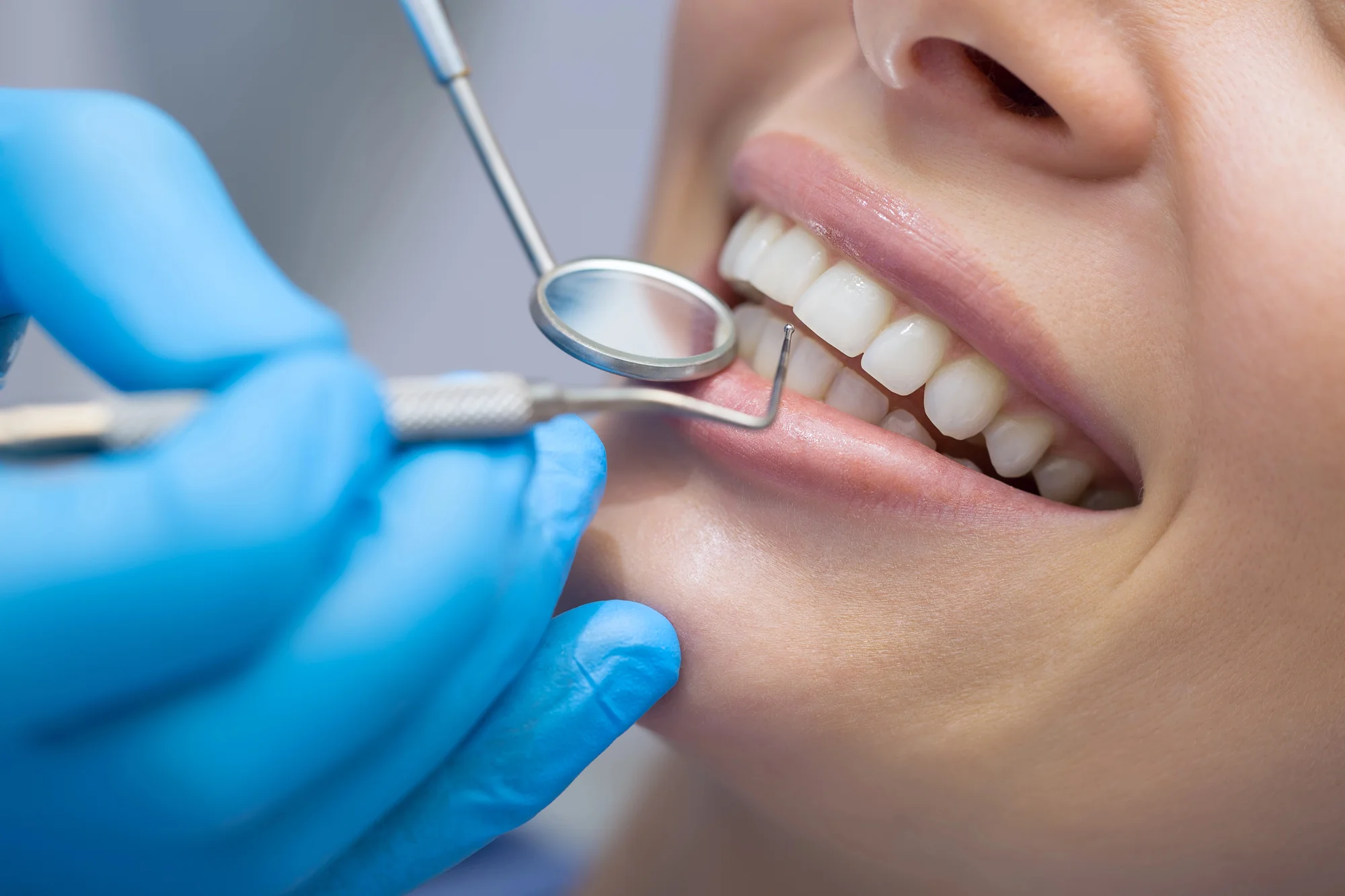
Gingivitis is the initial stage of periodontal disease. This condition is often characterized by gum inflammation caused by plaque accumulation along the gumline around a patient’s teeth. Gingivitis can advance to a more serious form of gum disease called periodontitis if not treated early. As a result, tooth loss can occur in adults. Gingivitis is often painless, but you should visit a dentist immediately for a proper evaluation if you experience any symptoms of gingivitis. This will help the dental professional to ascertain the right course of gingivitis treatment. Gingivitis is treatable and preventable with the right oral hygiene practices.
Types Of Gingivitis
Different symptoms characterize several forms of gingivitis. The common types of gingivitis include:
Non-Bacterial Gingivitis
The build-up of dental plaque usually causes gingivitis. However, other factors can also cause it, including pregnancy, anxiety or stress, orthodontics, and aggressive brushing.
Hemorrhagic Gingivitis
Inflammation caused by tartar buildup can increase the risk of hemorrhagic gingivitis. This condition is characterized by excessive and pronounced bleeding. However, sometimes, hemorrhagic gingivitis can also be caused by an external factor.
Ulcerative Gingivitis
Ulcerative gingivitis is characterized by halitosis and noticeable ulcers on the interdental papillae. The ulcers are painful, and most patients experience other signs of periodontal disease.
Desquamative Gingivitis
An intense reddish-pink color of the gums characterizes desquamative gingivitis. Dark spots are also visible across the gum tissue. Most patients experience pronounced bleeding, high tooth sensitivity, and a burning sensation.
Acute Gingivitis
Acute gingivitis is characterized by swollen, inflamed, and red gums.
Stages Of Gingivitis Development
Common gingivitis affects the marginal gingiva. It is caused by the buildup of small plaques on the teeth of people who fail to practice proper oral hygiene. During the initial stages, gingivitis is characterized by lesions that advance to periodontal disease.
Within 4-5 days of plaque buildup, the acute exudative inflammatory response commences. Neutrophil transmigration and gingival fluid volume will increase. Destruction of collagen and formation of fibrin will be visible in the initial stage. A shift toward predominantly lymphocytic infiltrates characterizes the transition to early lesions within one week. Plasma cells and monocytes will also be visible. Lesions can progress to a chronic state over time, characterized by B lymphocytes and plasma cells. Small pockets can form where the gingiva separates from the tooth as chronic local inflammation progresses. The small pockets will deepen, causing bleeding when chewing, flossing, or brushing.
Local alveolar bone destruction and periodontal ligament damage can occur as inflammation continues. As a result, your teeth can become loose and fall out.
Acute necrotizing ulcerative gingivitis, abbreviated as ANUG, is a condition caused by infection of the gingiva. It can speed up the destruction of affected tissues and the systemic spread of infection.
Whether Gingivitis Is Contagious
Gingivitis-causing bacteria can be transmitted from one patient to another. Most dentists claim that gingivitis is not contagious, but a person with gingivitis can still spread bacteria through saliva-to-saliva contact. This can happen when sharing utensils or kissing. Additionally, you can contract gingivitis if you do not observe proper oral hygiene or are suffering from conditions that expose you, such as leukemia or HIV/AIDS.
People Who Can Easily Suffer From Gingivitis
The following individuals are at risk of suffering from gingivitis:
Patients With Weak Immune System
Your immune system can be significantly affected if you take certain medications. This can make you prone to gingivitis, which will require you to undergo individualized preventive dental care.
Those Who Do Not Go For Dental Checkups
A routine dental checkup plays a major role in oral health. It helps the dental professional detect early cavities, plaque, gingival inflammation, calculus, and other oral issues. Gingivitis can progress to periodontitis if you do not go for regular dental checkups.
People With Amputated Hands or Other Severe Health Conditions
People with amputated hands, severe arthritis, developmental conditions, and other physical challenges can fail to observe oral hygiene. It can be challenging for a patient with amputated hands to brush or floss, exposing them to gingivitis. These patients, however, require help from caregivers, routine professional dental cleaning, and interdental brushes. Toothbrushes with modified handles and electric toothbrushes can also be of great help to these people.
Aged Patients
You cannot directly suffer from gingivitis because of old age, but certain factors can greatly contribute. Some of the factors include chronic diseases, dry mouth, low dexterity, poor oral care, existing dental restorations, and multiple medications. Dental professionals recommend that older patients attend routine dental examinations and receive help with oral hygiene when necessary.
Stressed Patients
Your eating habits, brushing, flossing, and dental attendance could be significantly affected if you suffer from prolonged stress. The body’s immune and inflammatory responses can also be affected. You are likely to suffer from gingivitis if you experience long-term stress, especially if you fail to observe routine oral hygiene.
Those Who Fail To Eat A Balanced Diet
Poor nutrition can significantly affect your immune response and the health of your oral tissues. Healthy oral tissues and proper immune function are often built by a balanced diet. Your gums can also be affected because of poor nutrition. However, a balanced diet cannot replace routine brushing and professional dental care because gingivitis is usually caused by plaque accumulation.
If You Have Dry Mouth Issues
Saliva plays a major role in oral health because it washes food particles that tend to stick in the mouth, promoting the mouth’s natural immune system. You are likely to experience plaque accumulation and other severe oral issues if you have low saliva production. The risk factors of dry mouth include certain medical conditions, dehydration, certain medical treatments, and medications.
Patients With Improper Dental Fillings
Plaque can easily accumulate on your teeth if you have irregular dental fillings or poorly-fitted ones. You can suffer gum inflammation if you fail to clean these areas properly. A routine dental checkup can help a dentist identify restorations which need replacement or adjustment.
Having Crowded Teeth
Plaque can accumulate on your teeth if you have overlapping, crowded, or rotated teeth. It can also be challenging for you to remove plaque if you have orthodontic appliances, like braces. Proper interdental cleaning and careful brushing are recommended in these cases.
If You Are Under Certain Medications
You are likely to suffer from gingivitis because of certain treatments. These treatments include calcium-channel blockers used to treat cardiovascular conditions, immunosuppressants, and antiseizure treatment. It can be challenging to remove plaque from your teeth if you are undergoing treatment for gum enlargement. As a result, you can experience a cycle of inflammation and plaque accumulation. Gum issues should not restrict you from taking prescribed medication. You should inform your dental professional if you experience any oral side effects.
If You Consume Tobacco Products or You Are a Smoker
You risk suffering from periodontal disease if you consume tobacco products because these products are linked with poor oral health. Your immune response and blood flow in the gum tissues can also be significantly affected because of smoking. Cigarette smoke can also hide bleeding gums, making it hard to know the health status of your gums.
Diabetes Patients
You risk suffering from gum inflammation and periodontal disease if you have underlying conditions like diabetes. This will happen if your blood glucose is not kept at the required levels. Your immune system could be greatly affected if you have diabetes, making it challenging to maintain proper oral health. This risk can be controlled if your blood glucose is properly managed, proper oral hygiene is maintained, and routine dental care is followed.
Pregnant Mothers
Pregnant women often experience significant hormonal changes that enhance the gum’s response to plaque. This condition is popularly known as pregnancy gingivitis. Pregnant mothers can experience tender gums, gum swelling, pronounced gumline sensitivity, and bleeding when brushing. During pregnancy, routine professional dental cleaning and proper plaque control are important.
Adolescents And Individuals Experiencing Hormonal Changes
Your gum tissues can become more sensitive to plaque if you are experiencing hormonal changes. Hormone levels always go up during puberty, increasing blood flow and sensitivity in the gums. As a result, small quantities of plaque can cause substantial inflammation.
Individuals Who Fail To Observe Proper Oral Hygiene
Proper cleaning between the teeth cannot be achieved by brushing alone. You can easily develop plaque and inflammation if you do not floss and perform interdental cleaning. Cleaning between the teeth is vital for people with crowded teeth.
You risk developing gingivitis if you do not brush your teeth regularly. Plaque usually harbors bacteria which cause gum irritation. It can turn into tartar if it is not cleared from your teeth. Symptoms of poor oral hygiene include bad breath, enlarged or shiny gums, tender gums, bleeding while brushing or flossing, and swollen or red gums.
Diagnosis And Testing Of Gingivitis
You should seek treatment if you experience gingivitis. The dentist will examine your mouth to determine whether you have loose teeth, gum recession, bleeding gums, or signs of infection, such as swelling and redness. An X-ray can be used to determine whether gum disease has affected the underlying jawbone. A dental professional can also refer you to a periodontist.
Management And Treatment Of Gingivitis
Gingivitis treatment is administered to control the infection and restore the health of the gums and teeth. Your dental professional will clean your teeth to remove plaque, tartar, and harmful bacteria. Other gingivitis treatment procedures include:
Dental Work Repair
A dental professional can extract or replace bridges, fillings, or crowns that fail to fit properly or protrude. It can be easier to keep clean, smoother surfaces.
Antimicrobial Mouthwash
You can kill disease-causing microorganisms by rinsing your mouth with an antibacterial mouthwash.
Enhanced Oral Hygiene
Proper dental cleaning can treat gingivitis. For the best results, you should maintain cleanliness even at home. Your dental professional will guide you on how to clean your teeth properly.
Scaling And Root Planing
Scaling and root planing treatments are similar to regular professional dental cleanings, but they clean more deeply below the gums. Scaling is effective for clearing bacteria and tartar. On the other hand, planing prevents bacteria from sticking on teeth by smoothening the surfaces of the tooth roots.
Whether Gingivitis Can Be Cured
Gingivitis is treatable if it is detected early. Consult a dental professional immediately if you experience signs of gingivitis. It is also good to practice proper oral hygiene at home. If gingivitis is not addressed early, it can progress to periodontitis. You will begin losing bone around your teeth at this stage of gum disease. Losing the bone is a long-term side effect which can lead to a domino effect of oral health complications. The quickest way to treat gingivitis is to visit a dental professional for a cleaning. You should also observe routine oral hygiene habits at home between checkups.
It is important to inquire the following from your dental professional:
- The time you should take to brush your teeth
- Whether insurance covers dental cleaning and treatment
- The type of toothbrush and toothpaste you should use, and
- The next dental visit
Prevention Of Gingivitis
Gingivitis is common, but there are several ways to prevent or treat it. The following are the best ways to prevent or treat gingivitis:
- Proper management of diabetes
- Being proactive and addressing any underlying conditions that contribute to gum disease
- Observing proper nutrition — This will ensure the gums and teeth get the essential nutrients that keep them strong.
- Avoid chewing tobacco, smoking, and other tobacco products. Tobacco products often cause teeth staining, gum inflammation, and other oral issues.
- Consult a dental professional immediately if you notice signs related to gingivitis. This will help the dentist detect the disease early and provide appropriate treatment.
- Observe a routine dental checkup at least once every six months.
- Flossing to remove plaque and other harder-to-reach areas
- Brush your teeth after flossing, and replace your toothbrush every 3 months.
- Use appropriate brushing methods to remove the remaining pathogens and plaque.
- Use mouthwash to prevent plaque buildup and kill the remaining bacteria
Find A Reputable Valencia Dental Professional Near Me
Gingivitis is a common, mild form of gum illness. It can cause irritation, swelling, and redness of the gingiva. The leading causes of the condition include plaque accumulation, tartar formation, and poor oral health habits. The treatment for gingivitis includes using a mouthwash, maintaining good oral hygiene, and receiving a professional dental cleaning. If you or a loved one suffers from gingivitis, SoCal Dental of Valencia can help. Call us today at 661-554-4545 to speak to one of our dentists.