Gingivitis is the initial reversible stage of periodontal disease, caused by the accumulation of dental plaque biofilm. Clinical gingivitis is defined as bleeding on probing in more than 10% of sites tested, without any loss of attachment between the teeth and gums.
If you leave gingivitis untreated, this inflammation can turn into periodontitis, which is an irreversible disease that destroys your periodontal ligament and alveolar bone. Early identification of physiological changes, like swelling, discoloration, and bleeding on probing, is crucial for preventing the disease from spreading. Catching gum disease early starts with knowing what to look for. If you notice any of the following warning signs, schedule a visit with your dentist right away to protect your smile.
Bleeding Signs During Daily Brushing and Flossing
Blood is one of the most common and reliable physical signs of periodontal disease and is observed during the daily oral hygiene routine. You should feel clean, fresh, and comfortable when you brush and floss your teeth. If you notice pink or red on your toothbrush bristles or blood on your dental floss, it is not normal, and you should not ignore this sign. Gingival tissue that is healthy is naturally firm, dense, and tightly adapted around the neck of each tooth. Healthy gums have a strong microvascular network protected by thick epithelial barriers. Healthy gums do not bleed during a routine cleaning, keeping overall bleeding below the standard 10% threshold during an exam.
As dental plaque, or biofilm, of bacteria develops around your gum line, your body responds to the sticky film with an immune response. In response to the microbial invasion, your body sends out white blood cells and inflammatory mediators. This reaction triggers the little blood vessels in your gums to expand, weaken, and rise closer to the surface. This means that these delicate, congested capillaries can burst even from the light brushing of soft-bristled toothbrushes or nylon floss. This vascular fragility directly causes the bleeding you see in the bathroom sink.
Pay attention to what happens when you brush and floss your teeth daily. Unfortunately, you might think that you are solving the problem by not flossing when your gums bleed. Quitting flossing, in reality, leads to a higher rate of plaque buildup, with thicker bacterial plaque and increased underlying vascular congestion. One of the initial diagnostic measures assessed when visiting a dental practitioner is the bleeding on the probing index.
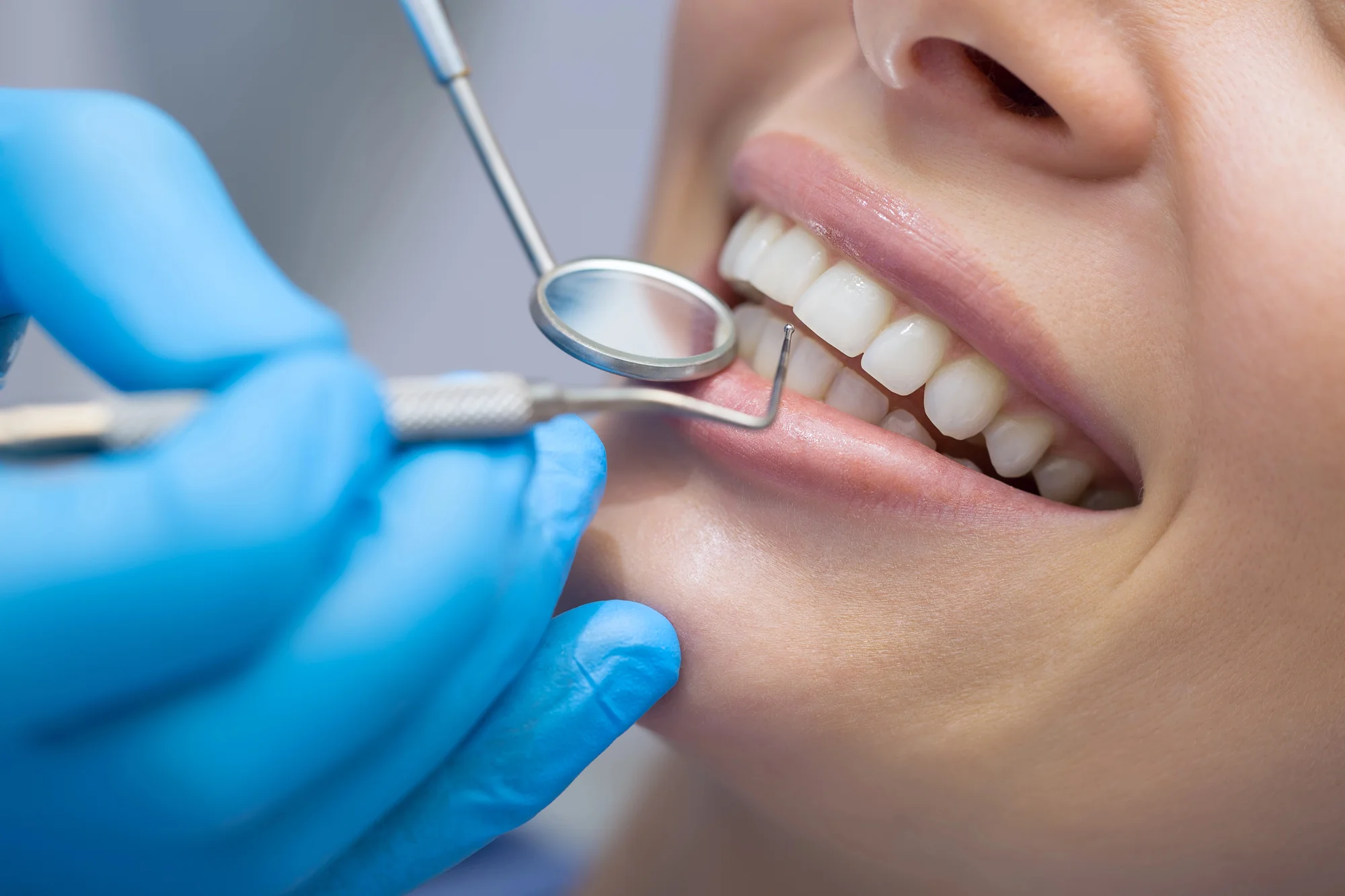
A simple probing exam will be conducted by a clinician who will gently insert a calibrated probe into the sulcus. If more than 10% of the measured sites bleed in response to this light pressure, a clinical diagnosis of generalized or localized gingivitis is confirmed. Knowing that your soft tissue is screaming for help in the form of bleeding alters your daily oral care. Rather than retreat from bleeding spots, you need to clean them thoroughly and plan for a professional evaluation to remove hardened calculus.
If left untreated, this initial symptom will allow bacterial colonies to grow and harden into subgingival calculus (tartar). Home brushing will not remove tartar and will actually make your teeth more porous, so plaque will cling to your sensitive gum tissue. As the underlying inflammation worsens, the frequency and volume of bleeding increase. That little bit of blood on the floss may grow into more and more bleeding every time you bite off a piece of hard food or rub your gums. If you can catch the bleeding early, you can prevent the damage from becoming permanent.
When you pay close attention to this physiological feedback, you can seek professional help when it is still in the superficial gum tissues and has not yet progressed to Stage I or Stage II periodontitis, with 1 to 2 mm or 3 to 4 mm of clinical attachment loss, respectively.
Visual Signs of Swollen, Tender, and Discolored Gums
As periodontal disease sets in, your gums also experience a few visual and tactile changes, in addition to bleeding. Gums appear even and firm, with a light pink color like tropical seashells, though natural pigmentation varies among people. When you run your tongue along this edge of your gums, the tissue feels taut, smooth, and firmly attached to the jawbone. However, when bacterial toxins irritate the gingiva, this healthy appearance will change drastically. As microbial plaque builds up, fluid and immune cells also enter the tissue, leading to much swelling of the gums.
This swelling makes the knife-edge edges of your gums look round, puffy, and bulbous. The inflamed tissue begins to separate slightly from the teeth, resulting in pathological sulcus depths that exceed the physiological range of 1 to 3 mm. In addition to this swelling, you will see a striking color change occur. The color is a paler pink, leading to bright shades of red, dark crimson, and even purple. The deeper tones are due to blood slowly accumulating under the skin in inflamed capillaries with low oxygen levels.
Your gums turn from firm and pink to swollen and red because plaque breaks down your cellular tissue. After two or three days of no intervention with the plaque on the surfaces of the teeth, the bacterial matrix starts to release lipopolysaccharides and enzymes, which begin to dissolve the cellular junctions of the gum cells. This breakdown dilates the blood vessels, allowing fluid to dribble into the space between the gums and the teeth. This causes the gums to become puffy and edematous, typical of early gum disease. Clinically, it may present as either:
- Edematous swelling (the surface is soft, shiny, and smooth due to fluid accumulation), or
- Fibrotic enlargement (chronic inflammation results in excess growth of scar-like collagen tissue, which leads to a firmer, stippled, but abnormally thick surface contour)
Being aware of these structural changes helps you look beyond the surface and realize that your body is under attack by an ongoing microbial infection.
The visible alterations will be accompanied by a growing sensitivity, pain, or even soreness in your gums under normal pressure. Eating crunchy food, hot drinks, or just brushing your teeth in the morning may cause a sudden stabbing pain or a dull ache. This tenderness is due to elongation of nerve endings in the swollen, inflamed soft tissue. Your gums are actively signaling to you that there is an attack on their structural integrity by bacterial by-products. Keeping track of these visual and tactile sensations can be key to understanding the level of inflammation in your mouth.
Chronic Bad Breath
Periodontal disease also causes bad breath that hurts your confidence. While you may experience occasional “morning breath,” periodontal disease also causes bad breath that hurts your confidence. As gum disease progresses, it is often accompanied by chronic bad breath (halitosis). While you may experience occasional bad breath after consuming foods with strong odors, such as garlic or onions, a constant bad breath that does not go away after careful brushing, flossing, and mouthwashing is an indication of a pathological cause.
To understand why gum disease creates chronic halitosis, you must examine the microenvironment within your oral cavity. As plaque and tartar build up, they pull the gums away from the teeth, leaving pockets between the teeth and gums. These subgingival pockets offer an ideal environment that is lacking in oxygen and rich in anaerobic bacteria, or microorganisms that grow without oxygen. These anaerobic bacteria break down trapped food, proteins, and cellular debris, metabolizing them into waste products, including hydrogen sulfide, methyl mercaptan, and dimethyl sulfide, all of which are volatile sulfur compounds.
The deep pockets of periodontal disease are the source of these gases, and normal toothbrush bristles cannot reach them. Mints, chewing gum, or over-the-counter mouthwashes will not completely mask the odor. The odor persists as long as there are bacterial colonies under the gum line.
Chronic bad breath linked to periodontal disease is unlikely to be resolved by simply switching toothpaste or topping the mouth with breath mints, since the source of the odor lies in an anatomical area protected from “on the surface” interventions. The back of the tongue is also a large reservoir of the same bacteria responsible for the growth of anaerobic bacteria in deep periodontal pockets, making it a further hurdle for those suffering from halitosis. Volatile sulfur compounds react with saliva and oral debris to form an ongoing biochemical odor released whenever you speak or breathe. Over-the-counter mouthwashes that contain alcohol or temporary masking agents will only mask the odor of your breath for a few minutes by numbing your taste buds. They have no effect on the bacteria in your mouth that produce sulfur.
This olfactory symptom requires mechanical removal of the biofilm by professional scaling and root planing to remove the hidden places where bacteria, which cause the odor to thrive, are. Persistent bad breath often signals that harmful bacteria are multiplying below your gumline, where regular brushing cannot reach.
Receding Gums and Elongated Teeth
When the disease is left unchecked, it can cause extensive morphological changes in your oral anatomy, notably by receding gums and making your teeth look longer. Healthy gums offer a protective, even border for your smile, which will cover sensitive root surfaces of your teeth and shield them from external stimuli. But when your body’s response to a bacterial infection is an ongoing, chronic inflammation, it eventually begins to attack itself. Immune cells generate destructive enzymes, including matrix metalloproteinases (MMPs), that not only target invading bacteria but also break down collagen fibers and alveolar bone in your body.
As the bone and tissue that hold your teeth in place deteriorate, your gums can no longer hold your teeth. This makes the gums narrow and recede towards the tooth roots. This is referred to as gingival recession. When your gum line migrates downward on the lower jaw or upward on the upper jaw, it exposes more of your tooth roots. The cementum on the surface of the root is softer, with a much lower mineral density than the hard enamel on the surface of your teeth. This means that when you expose it, your teeth can be very sensitive when eating hot, cold, sweet, or acidic foods and drinks.
Long-term effects of gum recession and tooth elongation are not just cosmetic. They can have long-lasting implications. If the alveolar bone resorbs due to chronic host-mediated inflammation, the structure of your smile will permanently deteriorate. Alveolar bone loss due to severe periodontitis rarely regenerates naturally, unlike soft tissue. This means that gum recession is usually a permanent morphological indicator. Furthermore, after exposure of the root surface, the anatomical height of the gums can never spontaneously return to its previous position without an advanced surgical procedure such as connective tissue grafting. Therefore, if you are aware of these early warning signs, you have the ability to stop this disease from affecting several adjacent teeth.
This recession exposes the teeth to a much greater extent than before, and the spaces or dark triangles between the teeth are places where there was previously gum tissue. These newly created spaces are more prone to catching food particles and bacteria, resulting in quicker cycles of infection and tissue breakdown. These structural changes indicate that you have progressed from simple gum inflammation to advanced gum disease.
If you notice that your gums are receding and the length of your tooth appears to be longer, the condition should be evaluated early by your dentist so that he/she can determine the extent of the alveolar bone loss, perform comprehensive periodontal charting, recommend proper treatment, and help prevent further destruction of your gum tissue and tooth structure. This will help preserve your long-term oral health.
Find a Gum Disease Specialist Near Me
If it is not addressed, periodontal disease can negatively impact your oral health, so the sooner you act, the better. If you let the warning signs go untreated, bacteria will break down your supporting bone structure. To protect your smile, you need the experience and comprehensive treatment you can only get from a skilled dentist.
At SoCal Dental of Valencia, we offer state-of-the-art preventive and restorative dental care to help address current issues and regain confidence. Do not let small problems become major issues that lead to lost teeth. Protect your smile and secure your overall health by taking proactive steps today. Call us at 661-554-4545 to schedule an appointment with a professional.