In many ways, your smile is often one of the first things people notice, reflecting health, vitality, and confidence. Sadly, keeping that bright, healthy smile is a constant struggle against dark coffees, strong wines, and the natural effects of aging. You do not need to use expensive whitening treatments or overly abrasive whitening products to create a bright, shiny smile. The key is to follow a few high-impact lifestyle habits. You can take steps to neutralize stain-causing agents before they can even start to affect your teeth. You can make some changes in your oral care routine and add calcium-rich foods, phosphorus, vitamin D, and crunchy fruits and vegetables to your diet.
The following are actionable techniques that go beyond basic brushing, reduce surface stains naturally, preserve the integrity of your enamel, and keep your smile naturally, truly white every day.
Avoid Common Foods and Drinks That Cause Tooth Discoloration
Your diet influences not only your overall health but also the color of your teeth. It is important to understand the chemistry of staining and adopt a protective approach against dietary pigments.
The primary cause of dental discoloration is chromogens, which are molecules with high pigmentation present in some of the most common foods that are consumed. They are common in coffee, red wine, dark sodas, soy sauce, and balsamic vinegar, and they have a strong affinity for a protein on the enamel called the pellicle. They adhere to the acquired pellicle and gradually accumulate on microscopic surface irregularities in enamel, resulting in deep stains.
Furthermore, the acid factor exacerbates this process. Acids temporarily demineralize the enamel surface, making it more susceptible to wear from acidic foods such as citrus, tomatoes and carbonated drinks. This demineralization renders your teeth very vulnerable, allowing chromogens to penetrate deeper than they would on a hard surface.
If you can practice the following three proven healthy eating habits, the cumulative effect of your day-to-day eating habits will decrease dramatically:
- Use a straw to drink staining beverages such as iced coffee and dark-colored sodas — The physical barrier will help channel liquid to the back of your throat, which will avoid direct contact with your front teeth’s visible surfaces.
- Rinse your mouth with water after eating acidic or colored foods — This mechanical action removes stuck-in particles, restores a neutral pH balance in the oral cavity, and prevents staining from adhering.
- Add high-fiber, crunchy foods such as apples, celery, and raw carrots to your program — The foods are natural mechanical cleaners, and they also promote saliva production, which clears away debris and neutralizes acidity as well. These foods complement, but do not replace, brushing and flossing
Improve Your Brushing Routine
Maintaining a bright smile over the long term depends on good oral hygiene. Many people believe the myth that if they apply excessive brushing pressure, they will whiten faster. However, this is not true and will actually damage the tooth structure
One of the most common brushing mistakes is using excessive force. Aggressive brushing with medium- or hard-bristle brushes will not remove stains but will be detrimental to the protective enamel. The enamel gradually wears away, and the underlying dentin becomes more visible as it becomes yellowish in color. Overbrushing will therefore make your smile look older, not brighter. Furthermore, this damage is usually permanent. The enamel does not regenerate once lost.
Beyond structural loss, poor technique often causes gum recession that exposes the tooth roots, which are darker, more sensitive, and more vulnerable to decay. Focus on gentle, controlled movements rather than aggressive scrubbing, which moves away from brute force to technical precision. This is one of the most crucial things anyone needs to consider if they want to maintain a uniform shade of teeth for the next few decades.
Moreover, consider using a soft-bristled manual toothbrush or an electric toothbrush with soft bristles. Many oscillating or sonic electric toothbrushes improve plaque removal using high-frequency vibrations or oscillating-rotating technology that works well to break down plaque and surface chromogens. When used correctly, they can reduce plaque efficiently while minimizing excessive brushing pressure, as hand scrubbing does. These devices will let the technology do the job and will give a thorough clean without harming your enamel.
Timing your brushing routine is just as vital as the technique. Any acidic food or drink you have eaten or drunk, including coffee, fruit juice, or wine, temporarily softens your enamel, leaving it vulnerable to damage. Wait at least 30 minutes after eating foods that are acidic before brushing. The time allows your saliva to spread over the enamel surface. The saliva will begin remineralizing the enamel surface, providing a strong protective barrier against the mechanical action of your toothbrush.
Use the Right Whitening Toothpaste
The oral care aisle is filled with products that promise whiter teeth, making it difficult to know which ones actually work. It is important to carefully evaluate whitening products that do not address stains but instead rely on mechanical abrasion to reach the teeth.
Many people think that regular whitening toothpastes contain the whitening agents that can change the color of the inside of the teeth. In fact, most actually work by mechanical polishing. They use mild polishing agents, such as silica, to mechanically remove surface stains from enamel, such as extraneous material. Although these work well to remove surface stains from coffee, tea, and other pigmented foods, long-term use of highly abrasive formulations can damage the enamel, causing sensitivity and dullness and making the naturally yellower dentin more visible.
Charcoal toothpaste is a trend heavily promoted by social media. Social media companies often advertise them as a natural whitening toothpaste. These products pose a significant clinical risk. Many charcoal toothpastes may be more abrasive than conventional fluoride toothpastes and currently lack strong clinical evidence supporting long-term whitening benefits. They primarily remove external surface stains through abrasion rather than chemically whitening the tooth.
Many dental professionals recommend choosing products with the ADA Seal of Acceptance instead. Over time, you may develop increased enamel wear if the product is excessively abrasive to your enamel, and you may also experience constant gum irritation, which could lead to further gum recession and make staining more likely.
When looking for products for safety and efficacy, make sure they are ADA Seal of Acceptance products. Instead of using highly abrasive polishing agents, try low-abrasion whitening toothpastes that use peroxide or enzyme-based stain-removal systems with low concentrations of hydrogen peroxide or special enzyme-based chemicals. These compounds can oxidize stain molecules so they become less visible with the pigments attached to your teeth, and brighten your smile without compromising the structure and strength of your teeth. Long-term whitening is best achieved with gentle, evidence-based products, and this still lies with a strategic, non-abrasive approach.
Use Floss or Interdental Brushes Daily
Achieving a radiant smile requires more than just focusing on the visible front surfaces of your teeth. While it may seem like the enamel is bright and shiny, the neglected areas between your teeth can greatly affect your smile. Plaque and hardened tartar between the teeth accumulate, producing dark stains and making teeth appear darker, less clean, and more stained and aged.
Even the latest toothbrush has limited reach. They are unable to clean between teeth that come into contact with an adjacent tooth. If not properly maintained, the biofilm within these areas hardens into yellow or brown calculus (tartar). After this mineralization occurs, it cannot be removed at home with hygiene products. Unsightly discolorations will remain and will not be eliminated by any whitening toothpaste.
Failure to maintain these areas also promotes gum inflammation (gingivitis), which can progress to periodontal disease, or gums that pull back and are inflamed. This tissue recession also exposes the neck of the tooth, which means that more pigments will be trapped, worsening the tooth’s yellowing appearance.
To maintain a professional-grade aesthetic, your regimen must include daily interdental cleaning. It is not just a requirement for gum health. It is a crucial part of color management.
- Mechanical disruption — Interdental brushes or traditional floss can disrupt the biofilm before it hardens, thereby eliminating tartar
- Water flossers — Use of a water flosser is a great addition to your dental care routine. The pressure of its stream will push away bits of food and debris from between the teeth and under the gum line, helping reduce debris and staining.
Use Safe and Effective Teeth Whitening Treatments
Apart from daily care and maintenance, various products deliver better whitening results than you can achieve on your own. The color of your teeth can only be changed with the use of a product containing active ingredients, namely hydrogen peroxide or carbamide peroxide. These compounds enter the enamel, oxidize stain molecules within the tooth, and give it a brighter appearance.
Whitening strips are good basic maintenance products as long as you stick to them. They are convenient, but their generic fit often leaves gaps or rubs painfully against your gums. These should be used as periodic booster treatments to control external staining, if necessary, for best results. To prevent tooth sensitivity, gum irritation, and enamel damage, the manufacturer’s guidelines for the duration must be followed.
It is also important to know the difference between these oxidants and abrasives in whitening toothpaste. Toothpaste can only polish the surface, but a peroxide-based treatment will chemically break down stain molecules in the tooth. The ability to make effective whitening without mechanical abrasion or permanent damage to the exterior is the main difference from abrasive “whitening” products that have been used continuously for many years. This change in process preserves the density of your enamel so that your efforts to get a brighter smile will not harm the structure or long-term health of your teeth.
Custom-fitted whitening trays from a dentist often provide more predictable results than over-the-counter trays for long-term, efficient whitening. A dentist makes a mold that is just for your arch. The bleaching gel will only fit there, not be placed on sensitive gum tissue. Professional-grade gels can contain higher concentrations under professional supervision and include desensitizing ingredients, like potassium nitrate or fluoride, for quicker, more consistent results. Furthermore, these trays are designed to be a long-term, reusable system. The simple monthly maintenance cycle is the best way to maintain professional-level brightness without the repeated gum irritation or irritation effect from poorly designed strips or whitening pens.
Shifting from one-size-fits-all to dentist-monitored care delivers a safe, predictable, superior aesthetic outcome that is good for your teeth and your health in the long term.
Schedule Regular Professional Dental Cleanings
While home hygiene is fundamental to dental care, it also has its limits. Plaques that are not removed can harden into tartar (calculus) or hardened deposits, which cannot be dislodged with a toothbrush or floss and can only be removed by a dentist. Tartar is naturally porous and readily attracts stains from coffee, tea, and tobacco. The deposits give the teeth an ugly yellowish color that cannot be removed by whitening products and requires professional cleaning from the comfort of your own home.
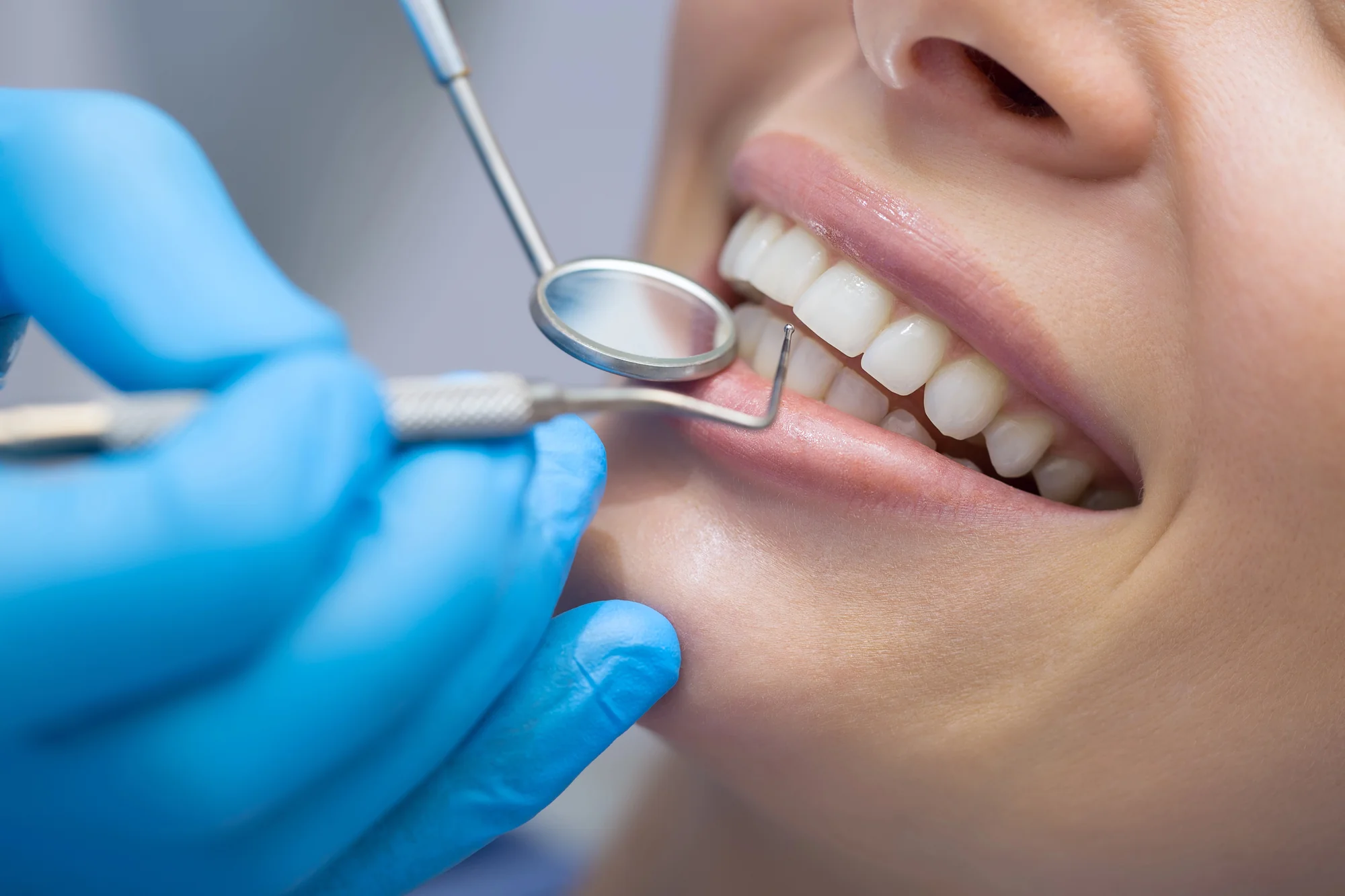
Professional cleaning provides a fresh starting point for maintaining oral health. During the visit, the hygienist applies professional polishing pastes to remove deep-seated stains you could not reach with your toothbrush. By following a meticulous cleaning regimen for six months, regular professional cleanings help remove tartar before it contributes to gum disease or further stains your enamel. They also help preserve the shine and integrity of your smile for years to come.
Find a Dentist Near Me
The pearly-white smile is an asset that will last a lifetime. It requires a combination of diligent daily maintenance and expert professional care. Incorporating high-precision brushing, proper diet, and regular interdental cleaning puts you on the path to long-term dental well-being. However, even the most meticulous at-home regimen cannot replace the specialized attention of a clinical professional.
For a healthy, radiant smile that will last for years, put your smile in the professionals’ hands. Call SoCal Dental of Valencia today at 661-554-4545 to schedule your next appointment and professional cleaning.