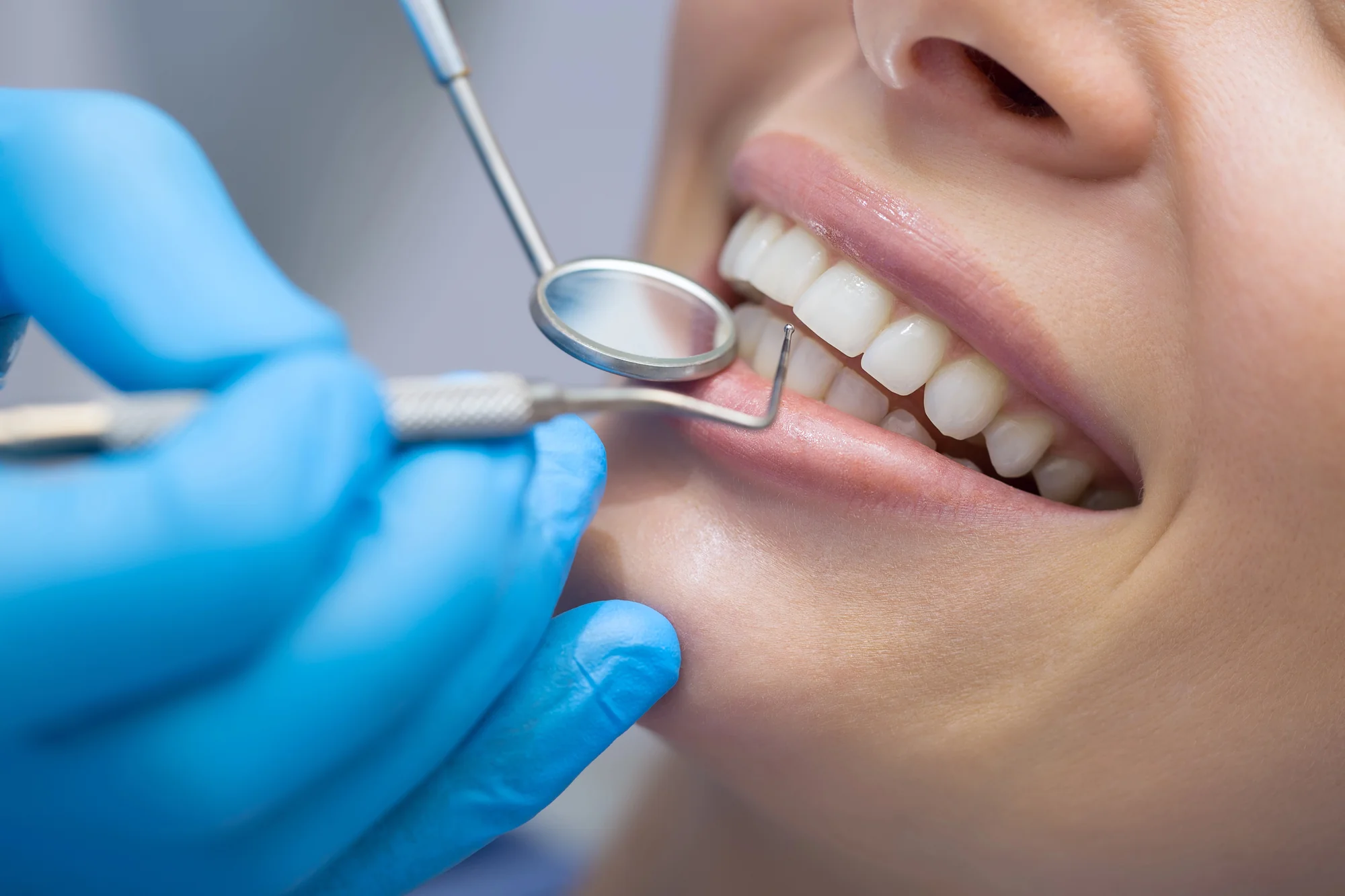
A beautiful smile is an integral part of your overall health and self-confidence. Damaged teeth can affect your ability to chew, speak, and maintain proper bite alignment due to decay, trauma, or overuse. Fortunately, modern dentistry offers durable and aesthetically pleasing restorations, notably crowns and bridges, to restore both function and appearance.
A dental crown is an artificial cap that fully covers a damaged tooth, strengthening it and protecting it from further harm. A dental bridge replaces one or more missing teeth by anchoring a prosthetic tooth to the adjacent healthy teeth, preventing shifting and maintaining facial structure.
If you are ready to smile confidently without discomfort, call SoCal Dental of Valencia to schedule your appointment.
What is a Dental Crown?
A dental crown, also known as a tooth cap, is a durable, custom-made restoration that fully covers a damaged or weakened tooth. The crown is also placed all the way up to the gum line, unlike the filling, which only puts a patch on the tooth to cover a hole. It is mainly used to restore the original shape, size, strength, and appearance of the tooth, thereby providing complete encapsulation and protection.
The need to use a crown arises when the structural integrity of a tooth is severely compromised. Certain situations in which it can be used are:
- Severe decay or damage — When tooth structure is extensively lost due to decay, a standard filling may not provide adequate restoration.
- Post-root canal — Teeth that have had their pulp removed can become brittle and often require a crown to prevent fracture.
- Cracked tooth syndrome (CTS) — A crown can stabilize cracked areas of the tooth, preventing the crack from worsening and relieving associated pain.
- Maintaining a dental bridge — Crowns are the primary supports (abutment teeth) that a fixed bridge is supported and stabilized by, making the entire prosthetic structure firm.
- Cosmetic enhancement — Severely discolored, misshapen, or misaligned teeth can be covered with crowns to improve their appearance dramatically.
The decisive difference between the use of a large dental filling and that of a crown is dependent on the structural mechanics of the tooth. A dental filling is utilized by bonding restorative material to the prepared cavity and can be used in the treatment of minor to moderate decay. However, when the cavity or existing restoration occupies more than approximately 50% of the tooth’s width (measured between the main chewing surfaces, or cusps), the remaining natural tooth walls become critically thin and weak.
A large filling does not adequately support the tooth structure, leaving the remaining cusps susceptible to fracture from chewing forces. The crown eliminates this problem by covering it completely. It covers all the visible part of the tooth, thereby absorbing pressure and distributing chewing forces evenly throughout the entire structure, thereby protecting the natural tooth underneath it. This comprehensive protection guarantees structural integrity and eliminates disastrous collapse, making the crown the definitive long-term restoration for significantly damaged teeth.
What is a Dental Bridge?
A dental bridge is a fixed, permanent dental device that is utilized to replace a tooth or several teeth. It is an emergent solution that restores a hole that has gone through your tooth, which is crucial not only on aesthetic grounds but also on functional grounds of the integrity of your bite. A bridge is permanently secured in place, unlike partial dentures, and cannot be removed by the patient.
A fixed dental bridge is made up of two major parts:
- Abutments — These are anchor teeth. The healthy teeth (or dental implants) serve as the abutments, located on either side of the gap. They are made and covered with dental crowns, which provide the support base for the entire bridge structure.
- Pontic — It is an artificial, or false, tooth. The made-to-order replacement tooth is that which covers the gap and sits above the gum line where the original tooth would have been. The pontic has been attached to the crowns of the abutment teeth.
The type of bridge that a dentist will recommend will depend on the place where the missing tooth is and the health condition of the surrounding teeth, as well as special structural requirements:
- Traditional bridge — This is the most prevalent type, which is applied when natural teeth are present on both sides of the gap. It is the process of abutting the adjacent teeth to receive the pontic in the center by preparing the teeth.
- Cantilever bridge — It is the one that is applied when there exists only a single natural tooth, adjacent to the missing tooth space. The pontic is attached to a single tooth of the abutment. The single-sided support is typically applied in areas of the mouth that experience lower biting forces, like the front teeth, as the stress on the anchor tooth can be minimized.
- Maryland bonded bridge — It is a more conservative type of bridge, which is also referred to as a resin-bonded bridge. It is made up of a pontic having metal or porcelain wings bonded (cemented) on the posterior surfaces of the natural teeth at the opposite end. It needs very little preparation of the abutment teeth, which makes it a good choice when treating the front teeth, in which tooth structure is essential to maintain the aesthetics of the tooth.
The absence of a tooth in the mouth can lead to long-term dental issues if left unattended. The teeth that surround the area of loss attempt to naturally drift or collapse into the empty area, resulting in misalignment and changes to the bite. Moreover, the tooth in the opposite direction (the one on the opposite jaw) will also start to do the same, that is, to erupt out of its socket at a very gradual rate, a phenomenon called supra-eruption or over-eruption as it tries to find a chewing surface. This movement is capable of revealing the delicate base and forming cavities in which plaque can accumulate, and the differentiation of the bone structure can be compromised.
The bridge has been shown to stabilize the bite, keep neighboring teeth in place, and avoid supra-eruption, hence ensuring long-term oral health.
Material Issues: Selecting Gold, Porcelain, or Zirconia
The type of material used in a dental crown will determine how long it lasts, its appearance, and its suitability for a particular part of the mouth. Patients have a variety of choices that have different levels of aesthetic quality and structural strength. To make an informed decision, it is necessary to understand the performance of these materials when subjected to pressures like chewing forces.
- Zirconia — Modern standard clinicians often prescribe Zirconia as the contemporary standard for restorations. This is a ceramic material that offers an extremely high level of strength, comparable to metal alloys, but with a natural, tooth-like color. Moreover, zirconia requires fewer tooth structures to be removed (prepared), which saves more of the natural tooth underneath. Its flexibility renders it applicable in front and back teeth, in which high strength and good appearance are required.
- E-max (lithium disilicate) — This is the best restoration for the very visible front (anterior) teeth, where cosmetics are the ultimate concern. This lithium disilicate glass-ceramic exhibits a high degree of translucency, allowing it to imitate the light-handling abilities of natural enamel to a significant extent. Although not as universal as Zirconia, E-Max offers enough strength when used in the front teeth and gives the most natural, practically invisible restoration.
- Porcelain-fused-to-metal (PFM) — PFM crowns were the old standard that combined the required strength of a metal base with the natural appearance of a porcelain crown. The metal base is very dependable in terms of durability, especially with the molars, whereas the porcelain gives acceptable aesthetics. There is, however, a significant aesthetic downside to PFM. Over time, the gum line tends to recede, exposing the grey metal beneath and forming a noticeable grey line at the margin of the crown. This non-seamless integration has led many practitioners to prefer all-ceramic options.
- Gold and metal alloys — In terms of both durability and longevity, traditional gold and other metal alloy crowns are the only way to go in cases where the chewing forces are the greatest and aesthetics are of the least concern, like the back molars. Gold is biocompatible, does not chip, and requires the least amount of healthy tooth structure to be removed during preparation. Its wear is close to the enamel of natural teeth, and thus, does not cause much wear to the opposing teeth. Even though modern ceramics have been improved, the choice of metal alloys remains unquestionable when absolute and long-term resistance to fracture and wear are required.
The Process: Step by Step (What to Expect)
Replacement of your tooth using crowns or bridges will usually need two sessions so that the dental laboratory can have the time to make a permanent restoration. Understanding the clear and distinct sequential steps involved can greatly alleviate any fear of the treatment, providing confidence in the process.
Preparation and Impression
The initial visit is primarily focused on preparing the affected region comfortably. The dentist will start by administering local anesthesia to numb the tooth and the surrounding gum area, allowing the procedure to be carried out painlessly. After being numbed, the dentist proceeds to carry out the much-needed reduction step, carefully and precisely reshaping the tooth by removing very little enamel from its different surfaces. This provides the required space for the crown or bridge to slide over the tooth without making one feel that there is something bulky in their mouth, which disrupts their bite. In the case of a bridge, the teeth on both sides of the gap that is being bridged are prepared in this manner.
Once this has been prepared, the dentist takes a highly accurate impression of a perfect model of your prepared tooth and the surrounding dental anatomy. Although conventional techniques involve a soft, putty-like substance (resembling goop), most current trends use digital scanning technology. This scanner resembles a wand and captures a precise 3D digital image of your tooth. You do not have to use the more uncomfortable traditional materials. Instead, the lab achieves better accuracy in creating the restoration. The dentist also carefully notes the opposing bite and chooses the exact shade of your natural teeth so that the final crown or pontic may fit perfectly.
The Temporary Phase
At this stage, the dentist will add a temporary crown or bridge, which is specifically designed to be temporary and is intended to be replaced after the impression is taken. This temporary work is made of lightweight, easily removable cement and serves several essential functions during the two-week waiting period. It shields the already prepared tooth against extreme sensitivity to temperature, keeps bacteria out, and, most importantly, prevents the other teeth that flank either side of the tooth from shifting in the gap that has been created.
This stage is crucial to attend to. You must not eat hard, sticky, or chewy foods, which may loosen the temporary restoration. When flossing, pull the floss either out of the temporary crown, not up, which may cause the restoration to come loose from the tooth.
Finishing Construction
Once the custom-made permanent crown or bridge has been cast in the dental laboratory (usually within several weeks, after you have returned from vacation), you will come back to the dentist to complete the placement. The dentist will first remove the temporary restoration and then take particular care to ensure that the permanent one fits. They check to ensure the crown or bridge is seated correctly, verify that the margins align with the gum line, and confirm that your bite is comfortable and natural when you close your jaw. This is a crucial verification process for long-term functionality and well-being.
After the fit, color, and comfort are checked, the dentist isolates the area and then applies a powerful dental cement, which is permanent and fixes the restoration to the prepared tooth structure. The process then takes a final step of cleaning and polishing the surface, which gives you your restored smile.
Same-Day Crowns (CEREC Technology)
With certain patients and single-crown restorations, it is possible to avoid a second visit using CEREC (Chairside Economical Restoration of Esthetic Ceramics) technology. This is an innovative type of system that works using CAD/CAM (Computer-Aided Design/Computer-Aided Manufacturing) and scans the prepared tooth digitally on the computer, designs the crown on the computer, and mills the ceramic crown right in the office whilst you wait. Provided that your tooth meets the requirements, you may undergo the entire process and leave with your permanent crown on the same day.
Dental Bridge and Dental Implant
In the case of tooth replacement, the most important options are a dental bridge or a dental implant. Both are effective in restoring functionality and appearance, although they differ significantly in terms of structural effects, long-term medical benefits, and treatment time. When you understand these differences, you will be able to make the most appropriate decision in terms of your oral health requirements.
The structural impact and bone health interaction of each solution with the surrounding healthy teeth and jawbone is the most vital difference. A traditional bridge involves the dentist re-forming and thinning the healthy teeth surrounding the gap (the abutment teeth) so that they can place the anchor crowns. It is a procedure that involves the removal of healthy enamel, which can alter the neighboring teeth permanently. In comparison, a dental implant is comparable to an independent artificial tooth root, which is directly embedded into the jawbone. It does not affect the integrity of adjacent teeth.
Furthermore, the implants offer a significant benefit to long-term bone health. When a tooth root is lost, the jawbones in that region do not receive the stimulation they require, and the bone resorption (the bone gradually shrinks away) takes place. As an implant is directly attached to the bone and stimulates its growth in the same way a natural root would, it actively prevents bone loss. A bridge will, however, rest on the gums, but this does not prevent the underlying bone resorption that can lead to a compromise of the facial structure and ultimately the durability of the bridge itself.
The timeline and suitability of the treatment are significant factors that determine the outcome for most patients. The fixed dental bridge is a quick remedy, which usually takes two sessions in a span of approximately two weeks to complete. On the other hand, an implant must undergo a surgical and a healing phase (osseointegration) during which the bone integrates with the implant, which may take three to six months before the final crown can be fitted.
Although implants are usually regarded as the gold standard for single tooth replacement, as they have the advantage of preserving bone, under special conditions, a bridge may be considered a better and more cost-effective option. An example of this situation would be having teeth on either side of the gap with large fillings, or for which it would be beneficial to have crowns at the very least. The bridge provides a complete restoration without requiring a surgical procedure. In cases where the patient has health complications in the rest of the body or inadequate bone density in the jaw, making surgery risky or complex, a bridge offers a sound, non-surgical alternative to tooth replacement.
Managing Recovery
Even after a crown or bridge procedure, some degree of discomfort is normal. However, you must be aware of which symptoms are typical and which indicate that something is wrong, to ensure a successful healing process. Some slight sensitivity is generally to be anticipated in patients, but the critical aspect is to track the nature and extent of the pain, which will be the most effective in dealing with post-operative symptoms.
This is absolutely normal immediately after final cementation, when sensitivity to cold temperatures is high, particularly when the tooth prepared was near the nerve. This sensitivity is expected to subside on its own after a few days or weeks as the nerve calms down. In the same way, the gum tissue surrounding the crown might be tender or sore, which is usually caused by the retraction cord that is used during the preparation visit to push the gums softly aside. This soft tissue irritation can be relieved in the short term by using over-the-counter pain relievers and a saltwater rinse.
There are, however, other types of pain that indicate that some adjustment or intervention is soon necessary. This is a strong indication of a high-in-the-bite restoration, characterized by a sharp, sudden, and aching pain felt when biting or even chewing food. It is an indication that the crown or bridge is touching the opposing tooth slightly before than the rest, and this places excessive force on the tooth. It only takes a simple, fast adjustment by the dentist to polish the surface down and restore a balanced bite, which would relieve the pain immediately.
Lingering heat insensitivity is a more alarming warning symptom. Although cold sensitivity is usually transient, pain, which remains after exposure to hot liquids or food, or fails to go away spontaneously, aching in nature, suggests that the nerve underlying the restoration is irreversibly inflamed or actively dying (pulpitis). In this case, the patient will likely require a root canal surgery to save the tooth. These specific pain symptoms can be addressed promptly to ensure the long-term success of the crown or bridge.
Find a Crown and Bridges Expert Near Me
Crowns and bridges signify the most exquisite general dentistry, not merely fixing a tooth, but offering a complete renewal of form, function, and aesthetic harmony. They are a long-lasting investment in your trust and overall quality of life, protecting weakened teeth and replacing them entirely. Do not settle for discomfort or a hesitant smile.
Take the crucial step toward a healthier, more confident future. Contact SoCal Dental of Valencia today at 661-554-4545 to schedule a consultation and learn how a customized crown or bridge treatment plan can deliver life-changing results.