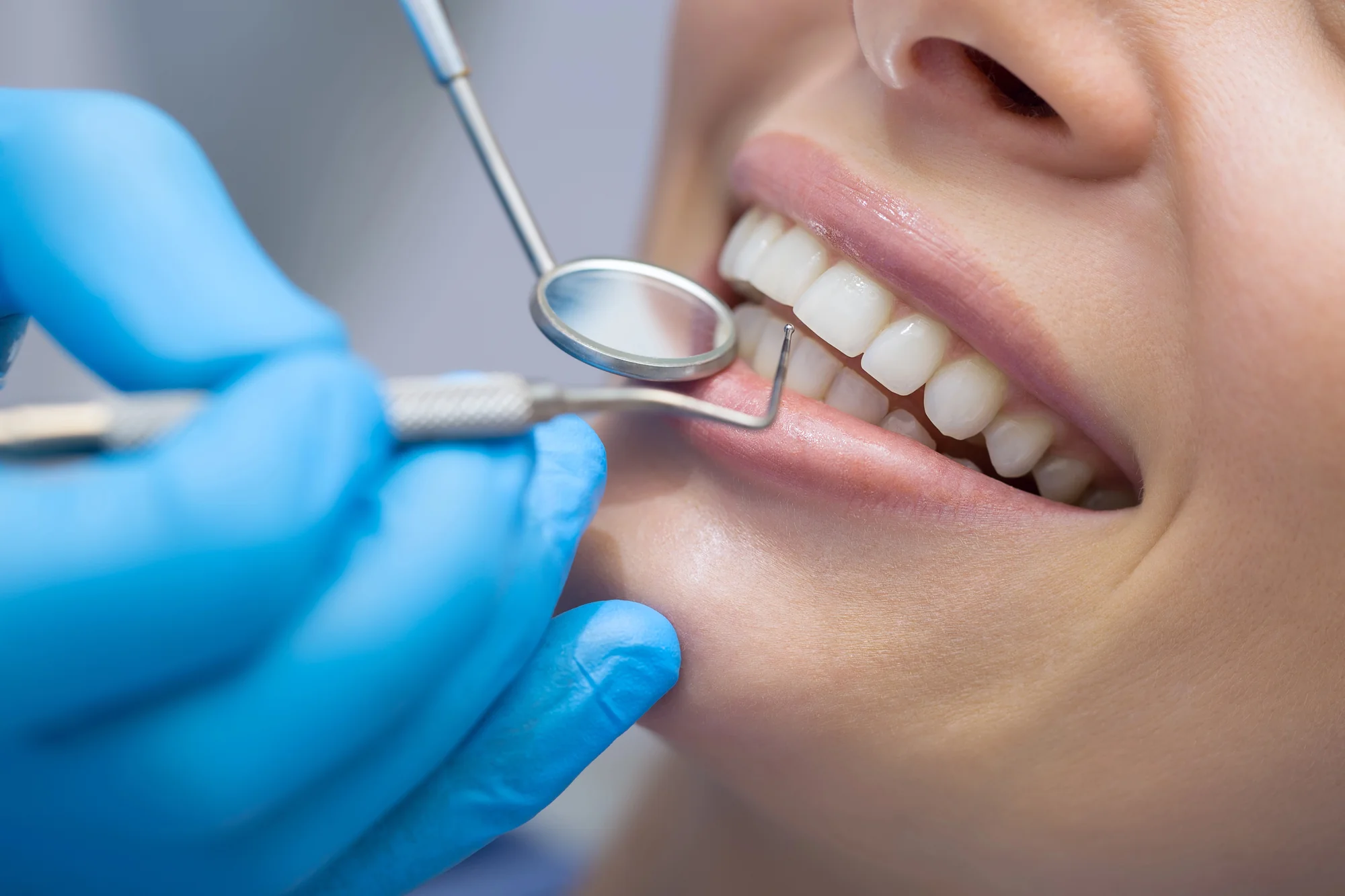
Emergency Root Canal Therapy is a type of dental treatment specifically designed to alleviate severe tooth pain, prevent infection, and save the tooth in the shortest possible time. It is not a standard treatment, as there is a need for urgent intervention to cure inflammation or disease in the tooth pulp chamber and root canals. It is a more sophisticated process that removes and disinfects the inner sections of the tooth without altering the outer structure so that the patient retains their natural tooth rather than having to extract it. Root canal therapy is not something to be afraid of; it is an accurate and efficient method for saving a tooth, restoring comfort, and preserving the overall health of the mouth. Our dentists at SoCal Dental of Valencia are ready to help you relieve pain, control infection, and restore your smile through professional emergency root canal treatment.
Understanding When You Should Have an Emergency Root Canal
To understand when an emergency root canal is necessary, you should be aware of when the pain in your teeth is an indicator of severe internal damage. Unlike mild conditions, such as sensitivity or gingivitis, an emergency is needed when the pulp, the center of the tooth that houses nerves and blood vessels, becomes permanently inflamed, a condition referred to as irreversible pulpitis.
At this stage, the tissue cannot heal, and it will become infected, ultimately leading to tissue death. The symptoms are aggravated by increased internal pressure, bacterial toxins, and the body’s immune response and may cause a true dental crisis. The symptoms that demonstrate that you require an emergency root canal include the following:
Uncontrollable, Aching Pain
Severe spontaneous pain is the most frequent and incapacitating symptom that requires emergency root canal therapy and cannot be managed with the standard methods. It may be a profound, throbbing pang in the jawbone or a sharp, lancinating pain that spreads erratically to the ear, temple, or side of the neck.
Unlike somatic pain in other body parts, pulpal pain is felt in a low-compliance environment, where the hard dentin and enamel enclose the soft pulp tissue. The inflammation causes high blood flow, which in turn leads to high internal pressure, pushing the nerve fibres against the rigid walls of the tooth. This is why painkillers like ibuprofen or acetaminophen, which are sold over the counter, are not as effective; they cannot reduce the hydrostatic pressure that is trapped in the calcified shell of the tooth.
Also, you will discover that this pain is worsened by poor posture. As you fall asleep, redistribution of blood to the head increases the intrapulpal pressure, transforming a dull ache into a throbbing pain that cannot be tolerated. It is a common clinical presentation of severe pulpitis.
It disrupts your circadian rhythm, resulting in fatigue and heightening anxiety, lowering your pain threshold. When the tooth pain prevents you from sleeping or working, then it is probably a strong indication that the nerve of the tooth is dying. This discomfort cannot be overlooked; it is a symptom that may indicate you need an emergency root canal.
Observable Swelling and Gum Tenderness
Swelling is a severe progression in the pathology of dental infection, which indicates that the bacteria have already managed to leave the root canal system and enter the periodontium and alveolar bone. Any swelling of the face or intraoral swelling should be considered a high-priority medical emergency.
First, it can manifest as localized edema, a minor, tender swelling of the gum tissue immediately surrounding the affected tooth. The area can be boggy or fluctuant to the touch, indicating that pus has accumulated under the mucosa. Unattended, this local abscess may quickly develop into cellulitis, which is a diffuse and spreading infection of the soft tissues.
Once the infection breaks through the jawbone, it spreads into the soft tissues of the face. Depending on the tooth that is infected, you can either have an asymmetry in the jawline, puffiness under the eye, or swelling in the submandibular region of the neck. This can become very dangerous. When a dental infection spreads to the areas under the jaw or tongue, it can restrict your airway, making it difficult to breathe. This serious condition is known as Ludwig’s Angina.
Although these extreme complications are rare when treated promptly, the fact that you have swelling confirms that your body is losing the battle against the bacteria. You may also find it hard to fully open your mouth, a condition called trismus, which happens when the chewing muscles become inflamed. In such cases, antibiotics alone often do not work because they cannot reach the source of the infection inside the dead tooth. Only an emergency root canal can physically remove the infection, create drainage, and eliminate the bacteria causing the problem.
Excessive Sensitivity to Heat and Cold
Thermal sensitivity is a frequent dental complaint, whereas sensitivity related to a tooth that requires emergency endodontic treatment has specific, clinically significant features. To understand this, it is essential to know the difference between reversible and irreversible pulpitis.
There will also be residual thermal sensitivity during an emergency. This implies that once the stimulus, for example, a sip of hot coffee or a spoonful of ice cream, has been removed, the pain will persist for minutes or even hours. This persistent response is a sign that the A-delta fibers (associated with sharp pain) and the C-fibers (related to dull, aching pain) in the pulp are in a state of chronic inflammation.
As the pulp tissue advances to complete necrosis, your response to temperature will develop in a particular manner. First, cold substances will cause a sharp and prolonged pain. Nevertheless, since the pulp breaks down and generates gases as byproducts of gangrenous decomposition, heat becomes the main antagonist. The trapped gases expand in the closed chamber of the tooth due to heat, causing a drastic increase in pressure, which results in excruciating pain.
On the other hand, you may discover that ice water in your mouth is the only way to obtain relief, as the cold tightens the muscles and the pressure is relieved. This is a symptom observed when a patient enters the clinic with a cup of ice water, simply to maintain a state of consciousness, which is a conclusive diagnostic symptom of a tooth in the final stages of decay. The only mechanism that can prevent this thermal volatility is immediate root canal therapy.
Abscesses and Discoloration
On a visual examination of your gum line, you may find that you have a gum boil or pimple. This is a biological safety valve that your body has designed. For an acute apical abscess at the tip of the root, the pressure of the pus wants an outlet.
It tunnels through the jawbone and pierces the gum tissue, forming a fistula. This bump may fill up and burst cyclically, discharging a foul-smelling fluid composed of pus and blood. Although the break of this tract frequently causes a temporary relief of pain by the discharge of the pressure, you should not confuse this with healing. A fistula is undeniable evidence of a chronic, active infection that is actively dissolving bone tissue.
At the same time, the tooth can be intrinsically discolored. A traumatized or infected tooth will usually become a dark gray, yellow-brown, or even black. This color change is an inside-out process brought about by the hemolysis (breakdown) of red blood cells in the pulp chamber. The iron in the hemoglobin is expelled and diffuses into the dentinal tubules, essentially staining the tooth structure internally.
This discoloration cannot be brushed away, unlike extrinsic stains caused by substances such as coffee or tobacco. It means that the blood supply to the tooth has been cut, and the tissue within it is necrotic. An emergency root canal is necessary not only to treat the infection that leads to an abscess but also to debride the necrotic tissue that causes discoloration, which preconditions further esthetic restoration.
Understanding the Process of An Emergency Root Canal Procedure
Fear of emergency root canals is a widespread issue among people, often stemming from outdated myths that root canals are painful and invasive operations. Nevertheless, endodontics currently offers sophisticated, accurate, and microscopic treatments that focus on patient comfort and proper treatment.
Emergency Diagnosis and Choosing an Anesthesia
A root canal emergency is an idea based on adequate diagnosis and prompt treatment. Digital radiography usually begins with your dentist, and in more serious cases, they may even need to use Cone Beam Computed Tomography (CBCT). CBCT is a 3D picture of your tooth and jaw, as opposed to a 2D X-ray.
It will allow your dentist to see the actual number of canals (which can vary significantly), the structure of the roots, and the extent of the infection in the bone. The dentist attempts to identify radiolucency at the apex of the root, in the form of a dark shadow, which is a sign of an immune response to bacteria that has caused bone loss. The imaging roadmap plays a vital role in ensuring that no canal is left out, as one of the major factors leading to treatment failure is the omission of a canal.
Once the diagnosis process is complete, your dentist will address the most pressing issue, which is pain management. Achieving deep anesthesia in an infected tooth may be chemically challenging. The tissues become acidic due to the presence of an infection, which neutralizes the local anesthetics and prevents them from entering the nerve membrane.
Your dentist will take utmost precautions with anesthesia to ensure that it defeats this menace of a hot tooth. The anesthetic solution is acidic; therefore, buffering agents are employed to counteract its acidic effect, which enables a faster and deeper onset.
Your dentist may also employ specialized delivery techniques, including periodontal ligament (PDL) injections or intraosseous anesthesia, where the anesthetic is injected directly into the bone surrounding the tooth. This will prevent the inflamed tissue, and the nerve will be totally blocked.
Isolation and Access of the Tooth
Your dentist will wrap the tooth in question with a special sheet of latex or non-latex material, known as a dental dam, and secure it by placing a small clamp. This dam is employed as a surgical cover that separates the tooth from the oral cavity.
Your saliva is biologically infested with bacteria. Exposing the open tooth to saliva during the procedure exposes the root canal system to new pathogens, which can compromise the sterilization process. The dam is also safe, as it prevents you from accidentally inhaling small dental tools or irrigation fluids. It provides a clean and dry operating area, allowing your dentist to view the internal anatomy without obstruction.
After isolating the tooth, your dentist establishes an access cavity to treat the tooth. Your dentist uses a high-speed handpiece with a diamond bur to carefully cut off the top of the tooth (the chewing surface) to access and expose the pulp chamber. This is a correct excavation; your dentist should excavate enough of the structure to provide a clear view of the canal orifices and leave as much of the healthy tooth structure as possible to maintain its strength.
As your dentist penetrates the root of the pulp chamber, a great smell will be emitted. This typically involves the release of confined gases and pus, along with the physical discharge of pressure. This will alleviate pain in most patients because the physical cause of the painful pressure is taken away.
Removing the Infection
With direct access to the canal system, your dentist will initiate the chemomechanical preparation of the root canals. This is the stage where the infection is literally scraped off. Your dental provider will use a series of rotary nickel-titanium (NiTi) files. NiTi files are super-elastic, unlike traditional stainless steel hand files, and can work through the curved and complex anatomy of your root canals without carrying or destroying the root structure.
These files are driven by a special electric motor that controls torque and speed, making them safe and efficient. The goal is to remove the inflamed or necrotic nerve tissue, scrape the infected inner dentin, and shape the canal into a funnel-shaped form that can be easily sealed and is tapered and smooth.
With the assistance of an Electronic Apex Locator, your dentist will determine the exact length of the root canal. The instrumentation process involves the continuous infusion of sodium hypochlorite, a potent antimicrobial irrigant, into the canals. The solution disintegrates organic tissue and destroys bacteria arranged in biofilms.
Cleaning and Sealing
After they have been shaped and chemically disinfected, the canals should be dried and sealed. To dry up any remaining moisture, your dentist will use sterile paper points to wick, leaving the canal system completely dry.
A good seal cannot be too moist, as this may lead to failure of the filling material or bacterial proliferation. If the infection is severe, with much swelling or drainage, your dentist might decide against performing the root canal therapy in a single session. In such cases, they will apply a calcium hydroxide paste, a high-pH medication that eliminates any remaining bacteria and stimulates bone growth, along with a temporary filling. Then you would return a week later to complete the last process.
In most emergency cases, your dentist can complete the procedure in a single visit. The cleaned and shaped canals are then filled with gutta-percha, a biocompatible, rubber-like material derived from the Palaquium gutta tree. The gutta-percha cones are then covered with a resin sealer and pressed into the canals using heat, known as warm vertical condensation.
The technique converts the gutta-percha into a semi-liquid substance that flows into the irregularities, accessory canals, and the apical delta of the root system, creating a hermetic three-dimensional seal. It is this seal that prevents reinfection. Then your dentist closes the opening of access with a temporary restorative substance, which safeguards the root canal system until your permanent restoration is installed.
Understanding why You Need to Install a Dental Crown
A root canal is only part of the treatment; restoring the tooth’s strength and structure is the next step. A tooth that has undergone root canal therapy is different from a healthy, vital tooth. Without the pulp, the tooth loses its natural hydration, which, over time, makes the dentin more brittle and prone to fracture.
Moreover, the access cavity and former decay significantly undermine the fracture resistance of the tooth. A tooth with no crown and a root-treated tooth is very prone to vertical root fracture, which is a disastrous failure in which the tooth is split in half. When a vertical fracture is created, the tooth cannot be salvaged and should be removed.
Therefore, your dentist should place a full-coverage dental crown on the molars and premolars, and it is also highly recommended for front teeth that experience strong biting forces. The crown is a ferrule that surrounds the tooth in 360 degrees, holding the rest of the structure together like the hoop on a barrel.
It evenly redistributes the biting forces, ensuring the tooth is not split. This last procedure seals the tooth against oral fluids and bacteria, restores your chewing capacity, and returns the beauty of your smile. Postponing the placement of the crown could jeopardize your investment in the root canal.
How to Protect Your Smile During a Dental Emergency
During a dental emergency, when the pain is at its highest, a patient will be heard saying, Why not just pull it? Although extraction is the fastest and least expensive way of obtaining pain relief, it is a biological trade-off with serious consequences in the long run.
You should understand that an emergency root canal is not just a procedure to relieve pain; it is an organ-saving operation. The natural tooth is a complex organ embedded in the jawbone and connected by the Periodontal Ligament (PDL).
The PDL has proprioceptors, that is, special nerve endings that inform your brain about the intensity of your chewing and the location of your teeth. This sensory feedback cannot be replicated even by the most sophisticated dental implant. By not extracting your natural tooth, you are preserving this shock-absorbing system, which helps protect your teeth from excessive wear.
Additionally, bone resorption is a natural process that occurs when a tooth is extracted. According to Wolff’s Law, a bone needs regular stimulation to maintain its density and volume. Usually, this stimulation comes from the chewing forces transmitted to the jawbone through the roots of your teeth. When a tooth is extracted, the stimulation is stopped, and the body will start to decompose the bone around it.
This causes a flaw in the width and height of the ridges that may make future restoration difficult. Although dental implants are an excellent solution for missing teeth, they involve surgery, months of healing to allow them to fuse with the bone (osseointegration), and a significant financial investment, which in most cases is three to four times higher than saving the natural tooth.
When you select an emergency root canal, you are stopping the infection, removing the pain, and preserving the natural structure of your jaw, thereby preventing the series of anatomical breakdowns that occur after tooth loss.
What to Expect During Recovery After a Root Canal Procedure
The post-emergency root canal recovery is usually fast and uneventful, with the alleviation of the pain before the operation being the major event. However, you should have realistic expectations of the healing process.
Although the nerve within the tooth is removed, the nerve endings in the outer periodontal ligament and the adjacent jawbone are probably still inflamed due to the former infection. As a result, you can have what is referred to as symptomatic apical periodontitis when biting or tapping on the tooth. This does not mean failure, but it is a normal physiological bruise. The bone surrounding the tooth takes time to heal, just like a sprained ankle after an injury has occurred.
During the initial 3-5 days, your dentist usually prescribes a course of anti-inflammatory medication, such as ibuprofen, to be administered on a regular schedule rather than as needed. This is a proactive strategy that maintains the inflammation markers within the tissue. To protect the healing tissues, avoid chewing on the treated side of foods that are hard or crunchy.
Oral health should also be in good condition; the plaque of bacteria that builds up along the gum line can also irritate the tissue. Therefore, regular brushing (twice daily) and flossing are required. A small percentage of patients may also experience a flare-up, characterized by swelling or an escalation of pain several days after treatment.
It is usually a short-term immunological response to debris displaced from the tooth during cleaning, which can be easily treated with a short course of antibiotics or corticosteroids, as prescribed by your dentist.
Find Reliable Restoration Dental Services Near Me
During a dental emergency, it is crucial to act promptly to protect your oral health. Ignoring symptoms, such as intense pain, sensitivity to hot or cold temperatures, or swelling, can lead to the further spread of the infection into the tooth and potentially your body. Emergency root canal therapy is the most effective remedy to prevent further infection, alleviate pain, and save your natural tooth. This therapy combines high-technological and accurate methods to restore health and functionality without the need for invasive procedures or extractions.
At SoCal Dental of Valencia, our emergency dentists understand the urgency and stress associated with dental pain. We utilize the latest diagnostic tools and treatment procedures to provide prompt and effective relief, often in a single visit. You do not need to suffer or lose your tooth. If you are experiencing severe tooth pain, swelling, or suspect that you require an emergency root canal, do not wait. Responding promptly could save your natural tooth and restore your comfort. Contact us today at 661-554-4545 to schedule an urgent appointment with our experienced dentists so that we can protect your smile and oral health.