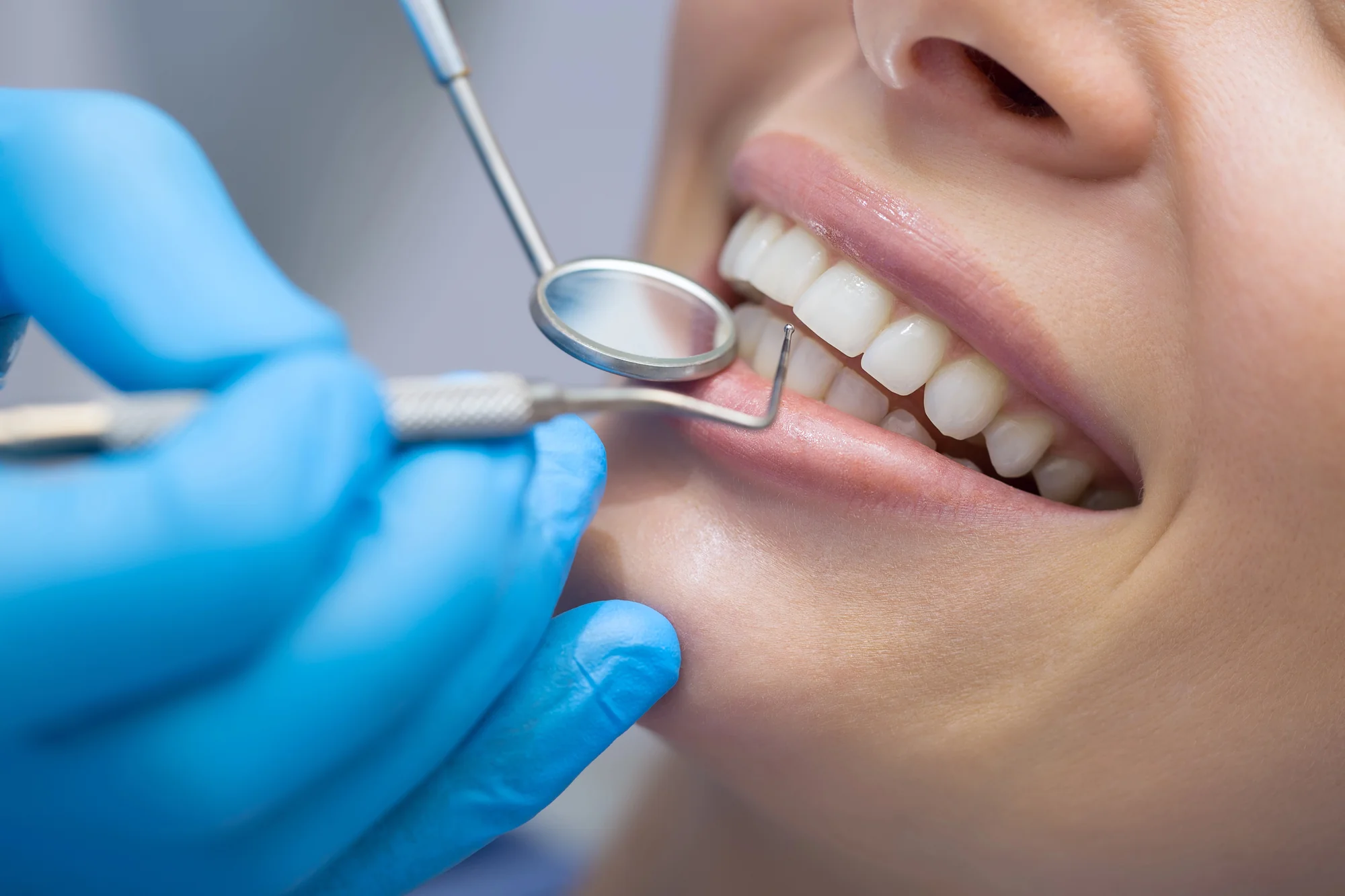
The process of achieving a flawless smile is transformational. After months or years of treatment, you finally see your perfectly straight smile. However, what happens after the brackets come off? A retainer is the last and most critical stage of orthodontic treatment. This custom-made appliance serves as essential protection against relapse. Failure to wear a retainer will result in a reversal of all the time, effort, and money you have invested. The retainer will stabilize the ligaments and bone around your teeth, ensuring that your teeth remain aligned and you are confident in their straightness.
While you may be an orthodontic professional concerned about patient consent forms, compliance policies, and practice liability, you may want to ensure that you can secure your business just as you can secure a smile. Contact SoCal Dental of Valencia now to have your orthodontic service contracts and compliance model reviewed by a lawyer. Protect your perfect smile, don’t risk losing it.
Understanding Retainers
A dental retainer is a custom-made orthodontic appliance prescribed to keep teeth in their newly corrected positions after braces are removed or clear aligner therapy is completed. They need it due to one of the key biological principles: orthodontic relapse.
The periodontal ligaments have elastic memory, meaning they tend to pull teeth back toward their original positions. These strong fibers, which result from stretching and remodeling during active tooth movement, possess, by their own nature, a pull force that attempts to draw the teeth back to their previous, pre-treatment positions. The daily forces from the tongue, lips, and masticating forces also enhance this. This regression is likely to occur without a retainer that serves as a counterforce, and thus, the orthodontic effort would be fruitless.
The basic appliance function is pure stabilization. The retainer positions the teeth in a state of complete immobility by introducing gentle and passive pressure, which serves as an invisible barrier. This tight control allows the other supportive tissues in the area, like alveolar bone and gingival fibers, the time needed to cope and develop. This process is also known as the retention process and is carried out by the bone hardening around the new positions of the roots, permanently storing the correction.
There are two broad categories of retainers: removable (like Hawley or clear Essix models) and fixed (bonded), where the retainer is a separate wire bonded to the lingual surface of the front teeth. The physical appearance is different, but the mechanisms share a common goal: maintaining the corrected alignment. Wear is not only compliance but the last and uncompromising step in the biomechanical process, to achieve lifelong stability and a permanent, beautiful smile.
Why a Retainer is Non-Negotiable
The retention period is not a follow-up process, but rather the final insurance policy for your orthodontic investment. The physiological fight against teeth movement does not stop when the braces are taken off, but it merely shifts strategies. As mentioned above, periodontal ligaments have a deep muscular memory, constantly attempting to return teeth to their initial position, a process known as orthodontic relapse.
However, relapses are not as simple as dotted ligament tension. This is compounded by the fact that the process of alveolar bone remodelling is ongoing, and the whole dentition is moving naturally and in an age-related manner (mesial drift). The bone, which has been softened and repositioned during active treatment, requires constant pressure from part of the retainer to mineralize and stabilize completely in its new, corrected position. In the absence of this stabilizing pressure, the bone is pliable. Hence, it often regresses easily and sometimes rapidly.
The consequences of failing to take this uncompromising measure are emotionally and economically devastating. The most apparent result is the eventual reappearance of misalignment, crowding, or spacing- the problems that treatment was supposed to solve. What may begin as a slight movement, a recurring slight gap, or a tooth tilting can develop over months into a significant malocclusion. This may cause operational issues, such as difficulties in chewing, excessive erosion of some teeth, and jaw pain (TMJ problems), in addition to the cosmetic failure.
Financially, the cost of negligence is high. The original expenditure on braces or aligners is in thousands of dollars and hours of dedication. Relapse will be abandoning that investment. In severe cases, complete orthodontic re-treatment, that is, a second set of re-travelling the path that you believe should be over. The retainer thus becomes the most economical instrument in the entire field of orthodontics, with the significant investment paid off in the long run. Regular use will help keep your working bite intact and your beautiful, hard-earned smile in place, making it a vital companion in your lifetime of dental care.
Types of Retainers
The final step of treatment requires a knowledgeable decision regarding the nature of retention appliances. The selection of the retainer is not a trivial issue. It determines the daily routine and the long-term success of the post-treatment stage. There are two main structural groups of retainers: removable and fixed, which have their own benefits and require patients to meet different demands. Awareness of these core differences can enable the patients to collaborate effectively with their orthodontist to find the optimal solution.
- Removable Retainers
Removable retainers give their users a lot of flexibility, allowing them to remove the appliance until they eat, brush, and floss their teeth, which in itself encourages good oral health. In this category, two types control the market:
- The Hawley retainer, which has been in use for a long time, features a strong acrylic plate with an adjustable metal wire that covers the front teeth. This design is not very difficult to alter slightly, and it allows the bite to settle naturally. Thus, it is highly enduring. However, it is the most noticeable and may temporarily influence the speech.
- Essix retainers, on the contrary, are more modern-oriented and resemble clear aligner trays, which are shaped directly around the teeth after straightening. These vacuum-shaped appliances are attractive to a large number of people since they are hardly visible. Essix retainers are not very noticeable, and they are less durable than Hawley retainers since they are made of thin plastic.
- Fixed (Bonded) Retainers
Leaving the compliance found in removable appliances, fixed retention has been provided as a permanent, non-compliance-based solution. To control the issue of patient adherence, orthodontists attach a thin, braided, and customized wire to the lingual side (tongue side) of the front six to eight teeth. This appliance is entirely discreet and requires no daily effort from the patient to insert or remove it. Therefore, it is highly effective in preventing rotation and translocation in the most relapse-prone area. Oral hygiene can be quite challenging, even with the reliability of permanent placement.
The constant presence of the wire requires the use of specialized equipment, like floss threaders, to carefully clean the tight areas between the teeth, which significantly increases the chances of tartar formation and focal periodontal inflammation in cases where the wearers fail to adhere to the increased cleaning regimen. Moreover, a broken bond that is not detected allows the tooth to move at a high rate, hence the need for real-time re-treatment.
The final decision between the two retention strategies is then a collaborative one, depending on several key factors. The patient’s compliance history, the severity of the initial malocclusion (with severe lower crowding tending to favor fixed retention), and the individual’s dedication to hygiene are all factors that influence the ultimate recommendation.
A notable example is that patients who maintain a good, conscientious flossing schedule may be able to cope with a fixed wire, whereas those who are afraid of being seen but forget to insert retaining devices may find the aesthetic Essix retainer to be the most effective.
A common practice among orthodontists is to use a blend method, where a fixed retainer is almost always placed on the lower arch, which is often unstable, and a removable Essix retainer is ordered in the upper arch. Patients need to understand that the retainer, regardless of its type, is a lifelong commitment to maintain the integrity of their structure and the beauty of their newly aligned smile.
Your Retainer Journey
Receiving a retainer officially initiates the phase of retention, and the final impressions most often initiate it. In the modern world of orthodontics, it is common to achieve a perfect fit of your newly straightened teeth through either a quick, painless electronic scan or conventional physical impressions with soft putty trays. It is these specific models, the blueprint of your appliance, that are sent to a special laboratory where technicians create a fabricated appliance, like a Hawley, Essix, or lingual wire retainer, to your specifications. This makes the retainer a perfect fit for the contours of your mouth, providing the passive pressure needed to stabilize.
The delivery day includes a preliminary fitting session with your orthodontist, during which the appliance will be tested to ensure it fits and is comfortable. In the case of removable retainers, the orthodontist will demonstrate how to insert and remove the retainer, providing it fits snugly into the device with a tight snap, without requiring excessive force.
On the other hand, fixed retainers are bonded, meaning the wire is cemented on the backside of the teeth. Before the orthodontist clears the patient, he/she ensures that the teeth are firmly attached. The first wear directions are also determined during this session. Typically, the Wear instructions begin with a full-time wear period, 24 hours a day, in the first few months, and the appliance is only removed when it is time to eat and clean.
The initial week under any retainer type has to be in the form of an adaptation period. It is quite natural that there can be temporary problems, the most typical one being an overproduction of salivating fluid since the mouth treats the retainer as an external object, or a pronounced speech disorder (a lisp) as the tongue becomes used to maneuvering around the equipment. This usually fades away in a few days as the mouth becomes accustomed to it. In the case of fixed retainers, the main adjustment involves modifying your flossing habit.
In contrast, with removable retainers, one can experience a sense of tightness or slight discomfort, which is a positive indication that the appliance is doing its job to keep the teeth in place. Sharp pain or any other point of pain or pressure, however, will require a follow-up visit to the orthodontist to ensure that the retention period is as painless and comfortable as possible.
Cleaning, Maintenance, and Longevity
Lifelong retention does not just involve the mere usage of the appliance. It requires that the user take proper care of the appliance daily, ensuring it remains clean, odorless, and in good condition. Leaving the appliance dirty allows it to become a breeding ground for bacteria, which in turn leads to the growth of tartar and plaque. This not only undermines the operation of the retainer but also compromises your oral hygiene. The orthodontic investment is a significant investment that requires proper maintenance to avoid being wasted on something that will not last.
Maintaining a retainer, like a Hawley or Essix, requires regular care. As soon as it is removed, clean the retainer with the help of a soft-bristled toothbrush and non-abrasive soap or a special cleaning solution to remove stains and residue. Do not use standard toothpaste, as most preparations contain abrasive substances that scratch the acrylic or plastic, creating microscopic crevices where bacteria can survive and stain the material over time.
When not in the mouth, keep the retainer in its ventilated case after cleaning to prevent it from warping or being damaged. Do not wrap it in a napkin or leave it naked in a pocket. This is the main reason to lose it and break it. After every few weeks, perform a deep soak with an effervescent retainer tablet, which dissolves stubborn work and removes odors without using a heavy chemical such as bleach, which can weaken the material.
It requires a special hygienic treatment to attend to a fixed or bonded retainer, where the wire is permanently fixed in the mouth. Although the permanence ensures compliance, the retention wire is an actual obstacle to regular flossing. That is why fixed retainer wearers have to include special tools in their everyday practice. The floss threader or water flosser is the most effective one. With the threader, patients push the floss under the wire between every tooth, and then they are free to clean along the gum line, as they would with ordinary floss. This will ensure that the plaque and tartar do not build up too quickly, resulting in gingivitis and tooth decay around the bonding sites. Moreover, continue to have routine professional cleaning with your dentist. They have the necessary instruments to clean the lingual surfaces properly and remove any calculus that has already been deposited around the wire.
To ensure long-term longevity, all retainers must be handled with utmost care. Never place removable retainers in hot places, like car dashboards or near boiling water, as the material will permanently warp, and the only solution will be to replace it at a very costly expense. Test fixed retainers regularly to check whether they are broken or detached. A loose bond may cause the material to shift quickly. The two are both vigilantly guarded by pets that are attracted by retainers as chew toys. These proactive cleaning and handling steps are sure to guarantee your beautiful outcome and save you the hassle and the expense of re-fabrication.
Keeping a Straight Smile in Your Life
The most valuable lesson to be learned about retention is the realization that it is a lifelong commitment. Once the initial full-time wear period (usually 4 to 12 months) is over, 99% of orthodontists put patients on an unlimited night-only schedule. This philosophy has its basis in physiology: teeth are dynamic, continually exposed to forces such as chewing, tongue pressure, and the natural, age-associated anterior movement of the dentition known as mesial drift. Furthermore, the alveolar bone surrounding the teeth is not the same as it was decades ago. Unless you wear the retainer in your mouth every night, its constant changes would gradually erase your orthodontic investment. Wearing your retainer once or twice a week, for life, is like an insurance policy against relapse, which is both beneficial and cost-effective, as it works to protect your functional bite and smile aesthetics.
Although the engagement to retention is a lifelong commitment, the retainer appliance is not. Eventually, all retainers need to be replaced due to wear, stretching, or damage. Essix retainers are usually made of plastic, which makes them prone to fatigue and wear, and therefore lose their snug fit after 1 to 5 years. In some instances, they may need to be replaced every year. Fixed (bonded) wires, durable Hawley retainers, and bonded retainers are constructed to be durable, meaning they are designed to last longer, which in practice can be 5, 10, or more years with proper care and maintenance. It is essential to know when to change your appliance.
A very loose retainer, cracks or deformity (particularly on exposure to heat), unnecessary and stubbornly located calcium deposits, which affect the fit. Making the immediate replacement of a worn retainer is also an important preventive care that will keep the material in place to maintain the precise positioning of your teeth.
Issues and Solutions of Common Retainers
Despite all due diligence, retention issues sometimes occur, and how you respond on the spot will define the effectiveness of your retention efforts. The most important principle of any emergency that justifies a retainer is the following: do not postpone seeking professional advice. The movement of the teeth may occur unexpectedly fast after retention has been lost, and thus, immediate intervention is critical.
- Detached or broken Fixed Retainers
A broken or detached fixed retainer is one of the most common ones. If the wire frays or the bond breaks on even one tooth, then that tooth is at once deprived of any support and may freely move. If you notice a sharp point or see the wire coming detached, call your orthodontist immediately and schedule an emergency appointment. Should the wire you broke irritate your tongue or cheek, then place a little orthodontic wax there until the sore heals. However, do not attempt to repair. Even a few days’ delay in repair can give time to allow sufficient relapse, so that when bonded, the retainer will no longer fit, which means a new appliance or even some re-treatment.
- Lost Removable Retainer Protocol
The lost retainer protocol is a much more immediate, yet easier, matter. Because a retainer is a custom appliance, the risk of losing it (particularly during the period in which the device is worn daily) exposes your teeth to the risk of immediate relapse. In the event of losing a removable retainer, simply call your orthodontist, and the process of re-fabricating will begin. In case of an old or new retainer, continue wearing the old one until the new one comes, even if it is a little tight. In the event of no backup, minimize tooth movement by avoiding hard and chewy foods and contacting the office on the same day.
- Restrictive or Constrictive Removable Retainers
The removable retainer may tighten up after a prolonged period of time, possibly a day or two. This tightness is an indication that your teeth have already started to shift out of place, and the retainer is actually helping to push them back into position.
Wear the retainer full-time (24/7) immediately until it becomes comfortable again, which typically occurs after a few days. Should there be actual pain, or be unable to take his seat completely, or even be visibly distorted, then force it not. Imposing a retainer that does not fit well would be dangerous to the foundation of your teeth. Instead, schedule a time to have an adjustment or to determine if a new impression is necessary before further shifting can occur. The best tool you have for ensuring a perfect smile is proactive communication with your orthodontic team.
Find Orthodontic Services Near Me
When your braces or aligners finally come off, it is a celebration, marking the culmination of months of hard work, and it is only the beginning of having straight teeth. The retainer is not an accessory. It is the most crucial final step to secure the significant investment you have made in your smile and confidence. Overlooking this stage will mean relapsing to orthodontics, and this may wipe out the time and money you invested in your own treatment.
Your beautiful, healthy smile needs long-term security. We consider retainers as a fundamental component of your oral health plan. The qualified staff at SoCal Dental of Valencia is committed to delivering customized retainer services, ensuring that your appliance is installed correctly and your results last. Contact us at 661-554-4545 and schedule your final retention check-up, or order a replacement retainer.